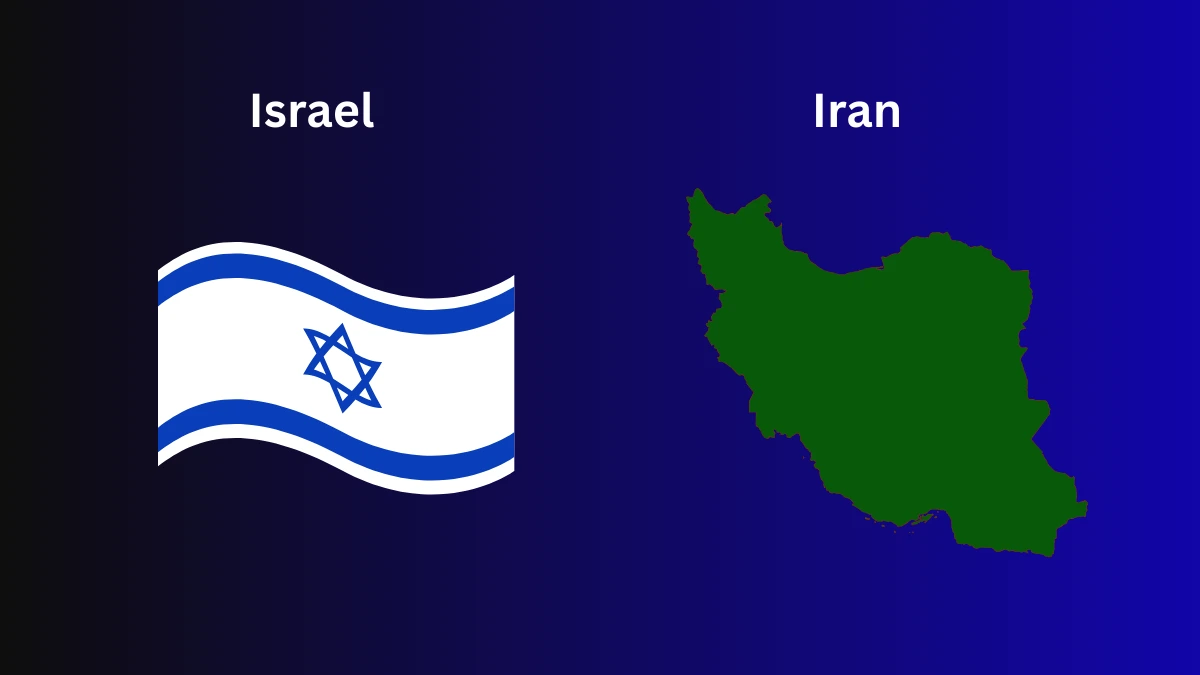
US and Israeli forces struck multiple locations in Iran on Saturday, sharply raising tensions across the region. The strikes followed months of indirect negotiations between Washington and Tehran over Iran’s nuclear program, which ended without a deal.
Iran struck back with missiles and air attacks on several areas. The moves came quickly, intensifying tensions across the region. Neighboring countries took precautions, with some temporarily closing their airspace as authorities monitored the situation. As a precaution, several nations temporarily closed their airspace amid rising security concerns.
Israeli officials said the operation targeted military assets and nuclear-related infrastructure. At the same time, Israel shut down its airspace and imposed emergency measures nationwide.
Meanwhile, US President Donald Trump confirmed that Washington had begun what he described as a “major combat operation.” According to Trump, the objective is to eliminate threats posed by Iran’s leadership. He further warned that the United States would respond decisively to any retaliation.
Notably, the strikes came just two days after high-level nuclear talks in Geneva ended without agreement. Those discussions were mediated by Oman and were seen as a final attempt to prevent further confrontation.
As a result, tensions that had been simmering for months quickly escalated into open military action.
Timeline: From Diplomacy to Direct Confrontation
June 13, 2025
Israel launched large-scale air raids on Iranian nuclear and military facilities while US–Iran talks were still ongoing. Within hours, Iran retaliated with missiles and drones targeting Israeli cities.
June 22
Nine days later, the United States struck nuclear facilities in Natanz, Fordow, and Isfahan. President Trump stated that the attacks significantly degraded Iran’s nuclear program. However, Iranian officials insisted that although damage occurred, the program was not destroyed.
June 23
In retaliation, Iran fired missiles toward Al Udeid Air Base in Qatar, which hosts US troops. Nevertheless, the missiles were intercepted, and no casualties were reported.
June 24
After 12 days of fighting, a US-brokered ceasefire took effect. Consequently, active hostilities between Iran and Israel temporarily ended. Iran reported at least 610 deaths, while Israel confirmed 28 fatalities.
July 2
Soon after the ceasefire, Iranian President Masoud Pezeshkian signed legislation suspending cooperation with the International Atomic Energy Agency. As a result, inspectors were barred from nuclear facilities unless specifically authorized.
July 22
Iran’s Foreign Minister Abbas Araghchi said Tehran has no plans to give up uranium enrichment, signaling that the country intends to maintain its nuclear activities despite mounting international pressure. Although infrastructure had suffered “serious and severe” damage, enrichment remained a national priority.
August 12
Meanwhile, Iranian authorities reportedly arrested around 21,000 people in connection with unrest linked to the 12-day war.
August 22
Despite rising tensions, Iran agreed to resume talks with the United Kingdom, France, and Germany. However, the possibility of renewed sanctions continued to cast a shadow over negotiations.
August 28
Just days later, the three European countries activated a mechanism restoring United Nations sanctions on Iran for the first time in a decade. Consequently, diplomatic pressure intensified.
November 1
Oman called on the United States and Iran to resume talks, warning that rising tensions were increasing the risk of further instability. Despite the appeal, Iranian officials made clear that uranium enrichment would continue as part of the country’s nuclear policy.
November 7
Days later, US President Donald Trump said Iran had approached Washington about easing sanctions. He indicated that he was willing to consider discussions, signaling that diplomatic options were still on the table.
December 28
By late December, economic pressure fueled unrest across Iran. Rising prices and a sharp drop in the national currency against the US dollar have pushed people in several Iranian cities, including Tehran, onto the streets. Many are protesting the increasing cost of everyday goods and the decline in wages.
January 8, 2026
As the unrest spread, authorities shut down internet access across the country in an effort to curb the demonstrations. Despite the blackout, protests continued in multiple cities for more than two weeks. Officials said the move was intended to limit unrest, but protests persisted for more than two weeks in multiple cities.
The blackout lasted for more than two weeks while protests continued in multiple cities. The blackout continued for more than two weeks, even as protests persisted in multiple cities. The shutdown lasted more than two weeks. During this period, reports of unrest continued to emerge.
January 13
At the same time, President Trump publicly encouraged Iranian protesters. Additionally, the US began strengthening its military presence near Iran, signaling possible further action.
February 6
After weeks of tension, indirect nuclear negotiations resumed in Geneva under Omani mediation.
February 17
Subsequently, senior officials from both sides met again in Geneva in an effort to narrow differences.
February 22
Oman confirmed another round of discussions and described cautious progress. However, officials acknowledged that significant disagreements remained unresolved.
February 26
A third round of talks concluded with what Oman described as “significant progress.” As a result, further meetings were scheduled in Vienna.
February 27
The following day, Oman’s foreign minister announced that Iran had agreed to reduce its stockpile of enriched nuclear material to minimal levels. Even so, President Trump reiterated that while diplomacy was preferred, all options remained available.
February 28
Israel carried out coordinated strikes on sites in and around Tehran, marking a sharp turn from weeks of fragile diplomacy. The strikes marked a clear shift from stalled talks to direct military action. After weeks of stalled talks, the situation escalated back into open fighting.
Hours later, Iran launched missiles and air attacks aimed at Israel and a number of Gulf countries. The back-and-forth attacks raised fresh concerns that the fighting could spread beyond the immediate targets.
Regional Outlook
This latest round of violence shows how fragile the diplomatic track had become. Even though the two sides are still talking, the recent fighting has seriously reduced the chances of a quick agreement.
Governments across the region are stepping up security and keeping a close watch on developments. With tensions still rising, the risk of further attacks continues to worry officials.