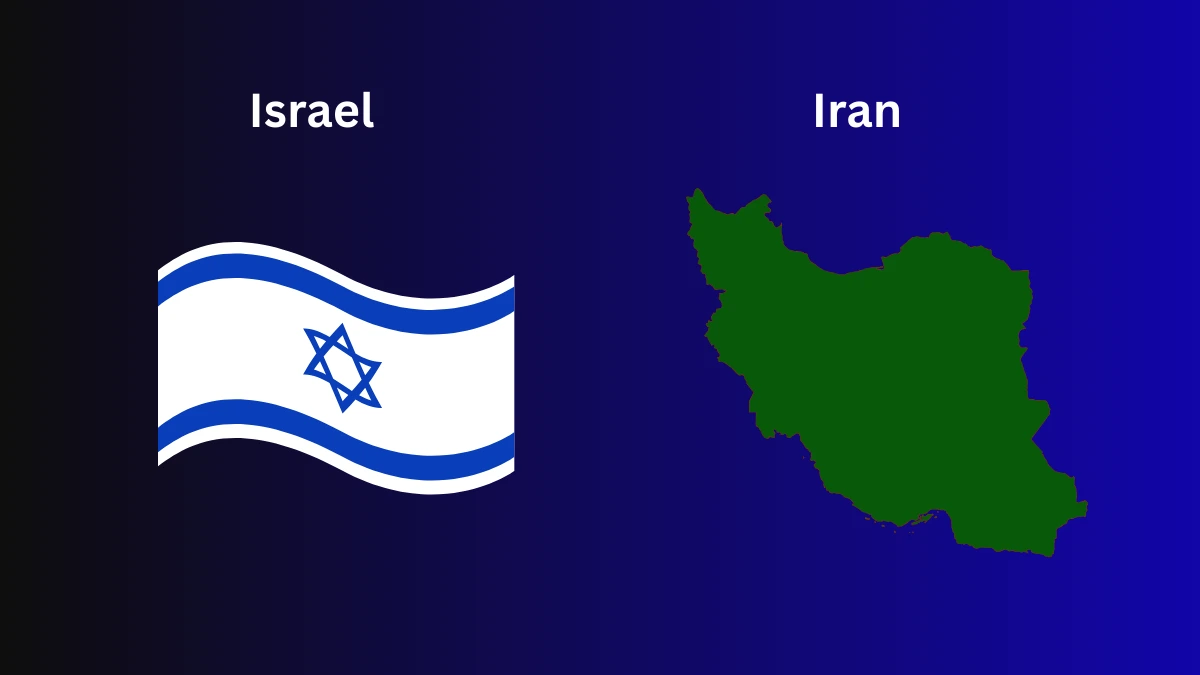
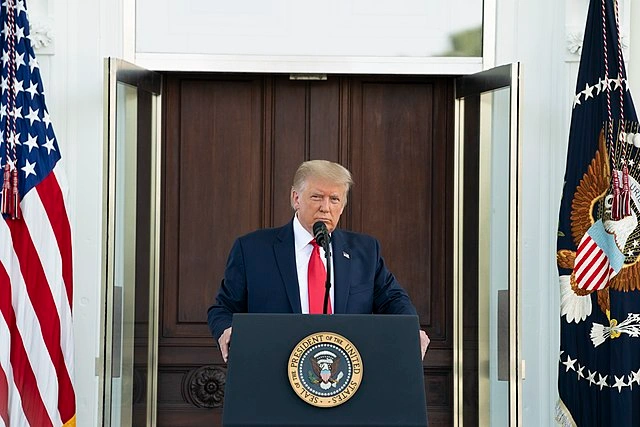
President Donald Trump is approaching a critical moment in U.S. policy toward Iran.
Just days ago, he warned that Washington was prepared to step in if Iranian authorities used force against protesters. He said the United States was “ready to act.” At the time, the full scale of the crackdown had not yet emerged.
Now, as reports of violence continue to surface, attention has shifted to what Trump will do next—and how far he is willing to go.
White House officials say only the president knows his next move. But senior advisers are expected to brief him this week on a range of possible responses. Trump has already hinted that “very strong options” are under consideration.
Military Power Is an Option—But Not the Only One
Recent U.S. operations elsewhere have demonstrated Washington’s ability to strike from a distance with precision. Long-range aircraft and advanced weapons systems allow attacks without deploying ground forces.
Analysts say the United States has a wide range of options beyond traditional military action. These include cyber measures and intelligence-driven pressure designed to disrupt Iran’s decision-making system.
At the same time, most experts doubt Washington will pursue a full regime-change operation. Iran’s leadership is firmly rooted, and removing one figure alone would not be enough to break the country’s political framework.
History Weighs on Today’s Decisions
President Trump has often referenced the failed U.S. hostage rescue mission in Iran in 1980 as a warning. That operation went disastrously wrong, resulting in the loss of American lives and serious political fallout at home.
The episode remains a stark reminder of how quickly military plans can go off course, highlighting the serious strategic and political risks any direct action against Iran would entail.
The Bigger Question: What Does Trump Really Want?
Experts say the core uncertainty is not how Trump could act but what outcome he actually seeks.
Some believe the goal is not to overthrow Iran’s government but to change its behavior. That could mean pressure for concessions in nuclear negotiations, demands to halt the crackdown, or steps toward limited political reform in exchange for sanctions relief.
Trump has said that Iranian officials are quietly signaling interest in talks, even as public statements from Tehran remain defiant.
Inside the administration, several senior officials are urging that diplomacy take priority.
Diplomacy vs. Force
Those who support negotiations believe that carefully managed talks could ease tensions and help safeguard civilians from further harm. Critics, however, warn that if the crackdown in Iran continues to intensify, leaning too much on diplomacy could appear weak and might slow the momentum of the protesters.
Some experts suggest that a carefully targeted U.S. strike might change the dynamics on the ground by rattling Iran’s leadership and boosting morale among opposition groups. Others caution that such action could instead unite Iranians behind their government.
The risk of miscalculation is high.
Regional Risks Remain
Iran has made it clear it would retaliate if the United States carried out any attack. Even with recent setbacks, Iran still has a significant missile arsenal and continues to exert influence through its allied groups throughout the region.
Armed factions in Iraq and Yemen are also still active, raising fears that any escalation could quickly spill over Iran’s borders and destabilize a wider area.
Pressure to Act
Iranian opposition figures living in exile are calling on President Trump to move swiftly. They argue that prompt intervention could help protect civilians and speed up political change inside the country.
But inside the White House, officials understand the reality is far more complicated. Any decision will shape not only Iran’s future but also America’s role in the Middle East for years to come.
For President Trump, the challenge is clear: act too softly, and risk losing influence; act too forcefully, and risk igniting a wider conflict.
The world is now waiting to see which path he chooses.