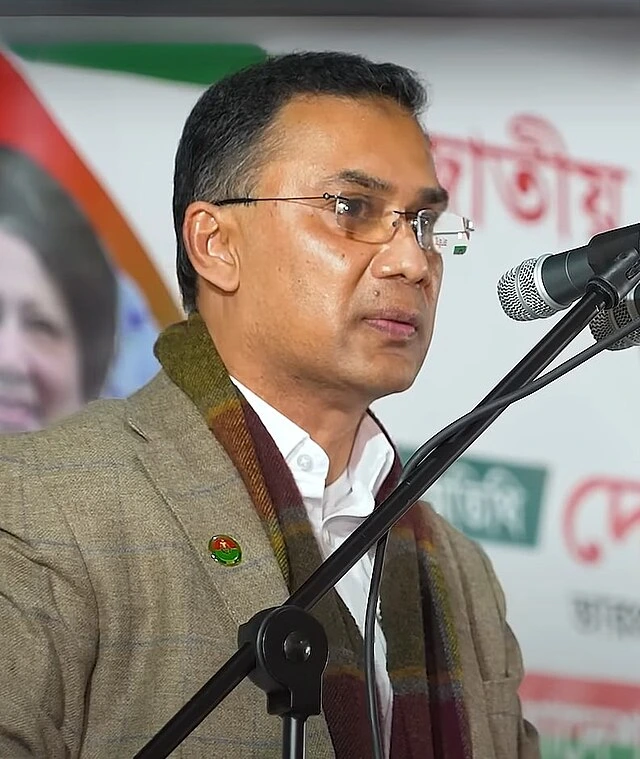
Tarique Rahman will soon take office as Bangladesh’s prime minister after leading the centre-right Bangladesh Nationalist Party (BNP) to a decisive victory in the general election.
His party’s victory marks a dramatic shift in the country’s politics after years dominated by Sheikh Hasina and the Awami League.
Now 60, Rahman is the most prominent face of the powerful Zia family, which has shaped Bangladesh’s politics for decades. Both his parents once led the country—and his own journey to the top has been marked by controversy, exile, and personal tragedy.
A political heir
Rahman is the eldest son of Zia ur Rahman, a former army officer who became president after playing a key role in Bangladesh’s liberation war. Zia ur Rahman founded the BNP in 1978 and emerged as one of the defining figures of the young nation before he was assassinated in a military coup in 1981.
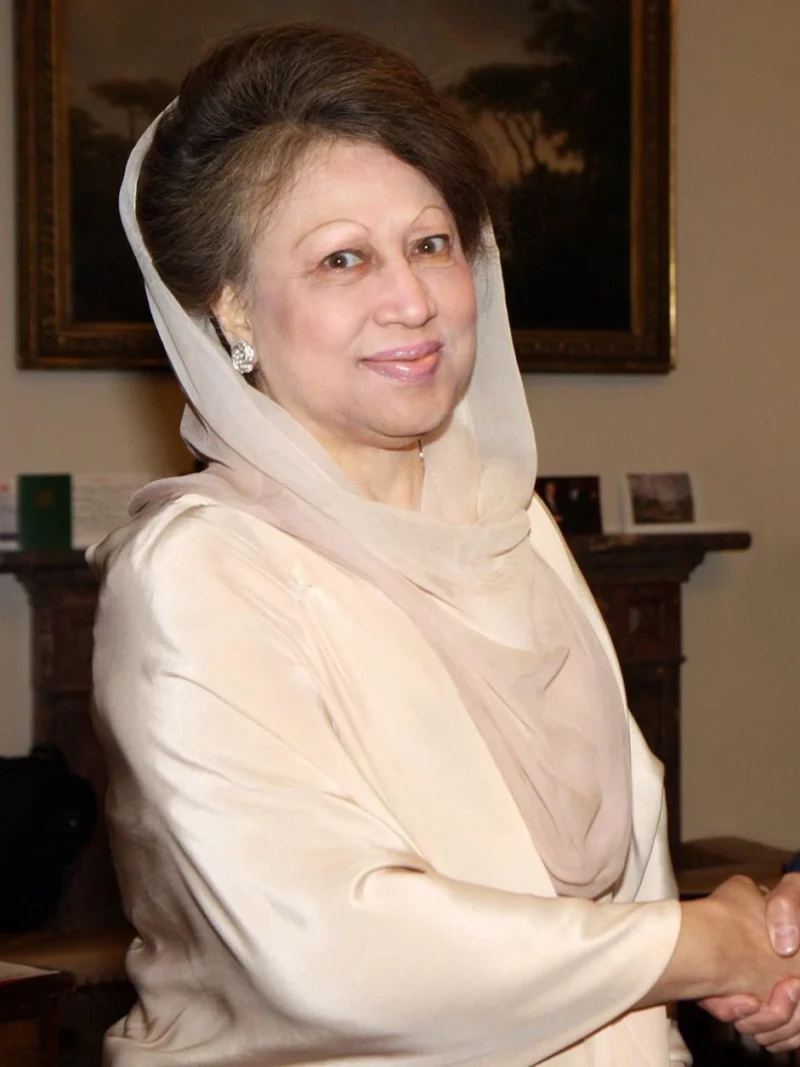
After Zia ur Rahman’s death, Tarique’s mother, Khaleda Zia, moved to the forefront of national politics. She went on to serve two terms as prime minister—from 1991 to 1996 and again from 2001 to 2006—and became the first woman to hold the office in Bangladesh.
Tarique Rahman grew up in a deeply political household, where talk of power, elections, and party strategy was a normal part of daily life.
He took his first real steps into frontline politics in 2001, during his mother’s second term as prime minister. The following year, the BNP promoted him to a senior role, signaling that the party was grooming him for greater responsibilities.
Opposition parties immediately slammed the move as blatant nepotism, accusing the BNP of building a political dynasty rather than a democratic party.
Inside the BNP, however, Rahman quickly became known as a hard‑driving organizer. Supporters credited him with energizing the party base and enforcing discipline. Critics said he relied on fear and favor and described him as a ruthless operator who wielded influence behind the scenes.
Corruption allegations and exile
From early on, Rahman’s career was dogged by corruption claims. Rivals accused him of using political power to secure personal and business advantages. He has consistently denied all allegations, and his supporters maintain that political rivals targeted him to weaken the BNP.
In 2007, authorities arrested Rahman on corruption charges during a period of military-backed caretaker rule. He later claimed that officials tortured him while in custody. After spending about 18 months in prison, he was released and soon left Bangladesh for London.
At the time, multiple reports suggested that he agreed to step back from active politics in exchange for permission to leave the country. Whatever the exact deal, he remained abroad for the next 17 years.
Running the BNP from abroad
Physical distance did not mean political distance. Even while based in London, Rahman continued to shape BNP’s strategy and internal decisions.
His influence became even more visible in 2018, when Khaleda Zia was jailed on corruption charges. With the party’s matriarch behind bars, Rahman stepped in as acting chairman and effectively became the BNP’s main decision‑maker.
During this period, Bangladeshi authorities filed a series of criminal cases against him, and courts convicted him in absentia in several, including charges related to a deadly grenade attack on a political rally in 2004. He was later cleared of all charges, but the cases reinforced his image as a polarizing figure.
Return, loss, and leadership
Rahman finally returned to Bangladesh on 25 December 2025, ending nearly two decades in exile. Just five days later, his mother, Khaleda Zia, died, closing a long and turbulent chapter in the country’s political history.
On 9 January, the BNP formally elected him as its leader. Many analysts saw this as almost inevitable: for years, he had controlled key party networks, and there was no obvious alternative with similar clout inside the organization.
His elevation came just weeks before the general election that has now put the BNP back in power.
The dynastic politics question
Rahman’s rise has reignited a familiar debate in Bangladesh: do a few powerful families still control the country’s political power?
Critics say that power keeps circulating among a small number of powerful families, and they see his leadership as just the latest example of that ongoing pattern. They say younger or less connected politicians rarely get a chance to reach the top.
BNP figures reject that criticism. They argue that years of crackdowns, arrests, and political restrictions under the previous government gutted the party’s leadership ranks, leaving it with a very limited pool of experienced figures to choose from. In their view, Rahman’s background, organizational control, and long involvement with the party made him the only realistic option.
From party boss to national leader
With the BNP back in government, Tarique Rahman now faces the hardest test of his political life: shifting from being a behind‑the‑scenes power broker to a prime minister who must govern a deeply divided country.
He will have to manage:
- Ongoing legal and political controversies around his past
- The expectations of his party’s base, which wants rapid change
- A wary bureaucracy and security establishment
- Intense scrutiny from international partners
His ability to navigate these challenges will shape how people remember his time in office.
For some, he is still the latest heir of a powerful dynasty. For others, he is a seasoned operator who has survived coups, prison, exile, and political persecution. Whether he can turn that experience into a new kind of leadership for Bangladesh is a question that only the coming years can answer.