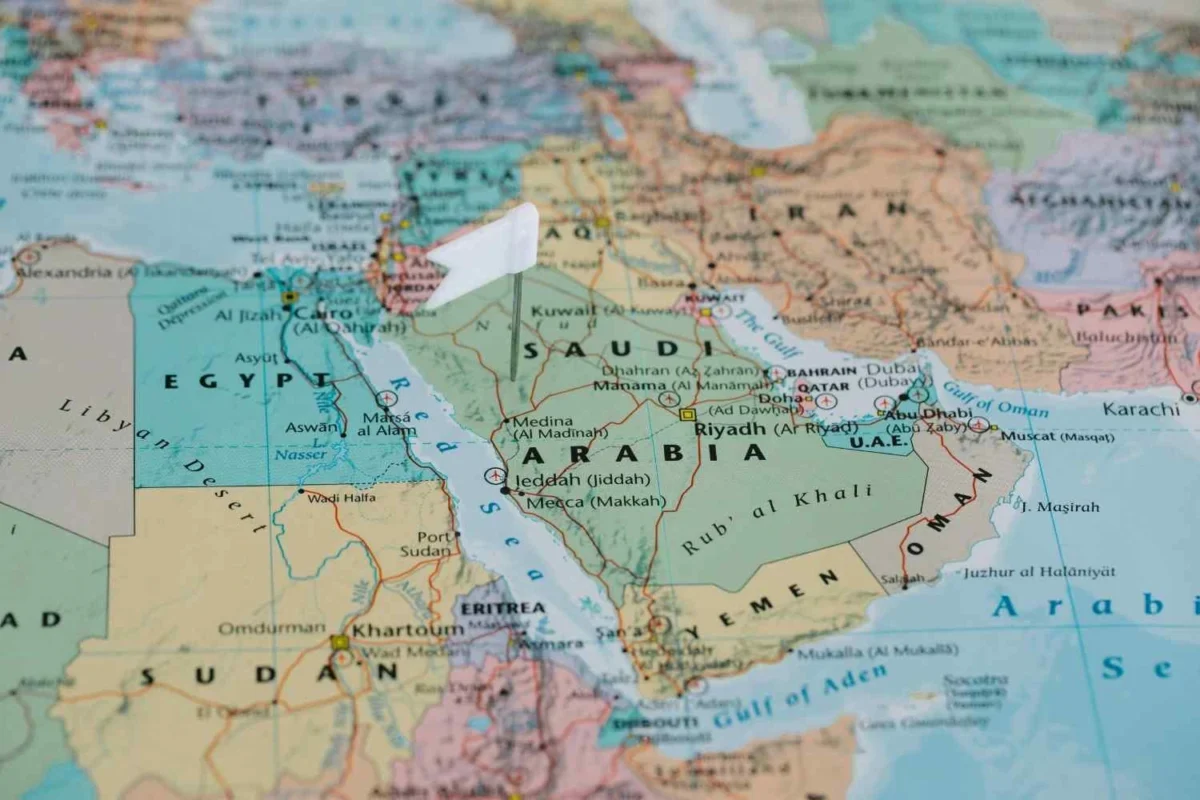
Saudi Arabia is pressing Yemen’s southern political and military factions to take part in new peace talks in Riyadh, hoping to ease the fresh wave of violence spreading across the south. The renewed fighting threatens to unravel fragile alliances and deepen tensions among Gulf partners who have long backed opposing sides of Yemen’s war.
The Saudi foreign ministry said the discussions are meant to bring southern leaders around the same table to confront old grievances and search for a broader political settlement. The invitation, issued through Yemen’s internationally recognized government, comes with Riyadh’s offer to host and mediate the meetings.
Deepening Rifts Among Gulf Allies
Since launching their joint intervention in 2015, both Saudi Arabia and the United Arab Emirates have supported Yemen’s government in its fight against the Iran‑aligned Houthis. However, over the years, that partnership has gradually strained.
In contrast, today, Saudi Arabia continues to back the government in Sana’a’s name, while at the same time the UAE has deepened its ties with the Southern Transitional Council (STC)—a powerful separatist movement that seeks an independent southern state.
The uneasy balance between those camps is once again showing cracks.
STC Forces Expand Their Reach
The STC says the conflict has entered a new and more dangerous phase. Its leaders claim their troops have come under attack from Saudi-backed government forces, even with aerial support. Officials loyal to the Yemeni government dismiss those claims, accusing the STC of trying to seize power by force.
In December, STC fighters launched a sweeping offensive across eastern Yemen, taking ground from government forces and capturing several key sites. Their push reached parts of oil-rich Hadramawt—a province that borders Saudi Arabia and is critical to the country’s energy infrastructure and security.

Air Strikes Add Fuel to the Fire
The situation deteriorated further when air strikes—reportedly from the Saudi-led coalition—hit STC positions. Local sources said several fighters were killed in a strike on an STC camp in Hadramawt, with earlier attacks targeting the port city of Mukalla.
The coalition accused the UAE of sending military shipments to separatist fighters through Yemeni ports. Abu Dhabi flatly denied that, insisting the cargo was strictly for its personnel already stationed in the country and contained no weapons.
Yemen’s Leaders Call for UAE Withdrawal
After the strikes, Yemen’s Presidential Leadership Council rescinded a defense pact with the UAE and ordered its limited forces to withdraw. Saudi Arabia backed the move, accusing Abu Dhabi of encouraging the STC’s offensive toward its southern border and warning that it would not tolerate risks to its security. The UAE agreed to pull its contingent but continued to reject claims that it had funneled support to separatists.
Analysts See Little Change on the Ground
Experts say the UAE’s withdrawal is unlikely to significantly alter the balance of power in Yemen. The UAE had only a small military presence in Yemen and relied mostly on well-armed allied groups like the STC. Those local fighters—not foreign troops—now dominate much of southern Yemen, consolidating both their authority and influence.
Yemenis Face Growing Hardship
In cities like Mukalla and across Hadramawt, civilians are bracing for worsening violence. Families say they are keeping children home, storing essential food, and limiting travel as clashes approach.
After nearly a decade of war, Yemen’s economy has been left in shambles, and millions of people now struggle just to find the basics—food, fuel, and medicine. Every new outbreak of fighting drives ordinary families deeper into hardship.
Humanitarian Situation Worsens
Since 2014, Yemen has been facing one of the world’s most severe humanitarian crises. Hundreds of thousands have lost their lives to violence, hunger, and the collapse of Yemen’s healthcare system. Millions more now rely almost entirely on humanitarian aid to survive.
Aid organizations warn that renewed fighting in the south could block deliveries in many areas. That would worsen already severe malnutrition and push more families toward famine.
An Uncertain Road Ahead for the South
The Southern Transitional Council insists its pursuit of independence reflects the will of southern Yemenis and could ultimately produce stability. The group says an autonomous South poses no threat to neighboring states.
But whether Saudi Arabia—or the Yemeni government it backs—will accept a redefined political order remains unclear. The region’s overlapping ambitions and entrenched mistrust have left Yemen’s future uncertain, its peace prospects once again hanging by a thread.