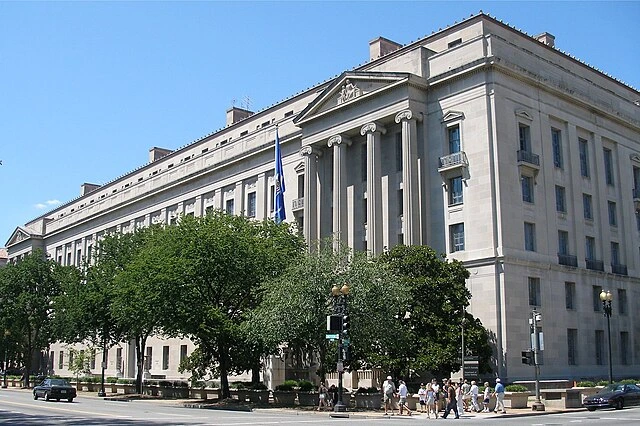

The latest release of documents linked to convicted sex offender Jeffrey Epstein has landed with disappointment across parts of former President Donald Trump’s political base.
Attorney General Pam Bondi described the Trump administration as “the most transparent in American history” while discussing the release of records related to last year’s attempted assassination of Trump. However, online reactions quickly shifted focus to a different issue: the long-promised Epstein files.
Many conservative commentators and grassroots supporters said the administration fell short on its transparency promises. Online platforms quickly filled with criticism, as several Trump-aligned figures described the document release as a “cover-up” rather than genuine openness.
Heavy Redactions Fuel Distrust
The backlash is not focused on images showing Epstein with famous individuals, which do not suggest illegal activity. Instead, critics point to the extensive blacked-out sections in the files as the main source of public distrust. Instead, anger has focused on the extensive redactions throughout the newly released documents.

During the 2024 campaign, Trump signaled support for releasing investigative material related to Epstein. Earlier this year, Bondi said the files were under review. After months of anticipation, the release was seen by many as underwhelming, offering little new information.
Political analysts say the response points to a deeper problem taking shape within Trump’s political base. Joe Uscinski, a professor at the University of Miami who studies conspiracy thinking, notes that skepticism toward institutions has become a defining feature of the movement.
Uscinski said that for many supporters, releasing documents alone is not enough. Uscinski explained that many supporters are seeking information that aligns with their existing beliefs.
A Shifting and Fragile Coalition
Questions about the long-term strength of Trump’s political support are also being raised by advisers close to him. According to reporting in US media, White House Chief of Staff Susie Wiles has privately acknowledged that some voters drawn to Trump by issues like Epstein are not traditional Republicans.
Polling data supports that assessment. A poll released in December by the Manhattan Institute showed that close to one in three Trump backers voted Republican for the first time in the 2024 election. Just over half of them said they would definitely back a Republican candidate in the 2026 midterm elections.
The institute concluded that these supporters are drawn more to Trump himself than to the Republican Party.
Influencers Largely Silent
Another striking development has been the lack of response from several prominent conservative influencers who had previously pushed Epstein-related narratives across social media.
Some of these figures were invited to the Department of Justice earlier this year and received binders described as an initial phase of document releases. When those materials revealed little new information, backlash followed.
This time, however, many prominent voices have stayed silent. A small number of voices, including MAGA influencer Laura Loomer, said the documents showed Trump had done nothing wrong. But many others who once spoke loudly about Epstein have said nothing at all, and that silence has not gone unnoticed in right-wing online spaces.
Growing Tensions Inside MAGA
Political analysts say the argument over the Epstein files is only one of several issues now exposing deeper divisions within the MAGA movement.
Debates over free speech, antisemitism, and the direction of conservative activism have surfaced at recent political gatherings.
Jared Holt, a senior researcher at Open Measures, says the movement’s momentum has slowed.
Holt said that at the start of the year, MAGA seemed cohesive and highly influential on social media. “Now, divisions are more visible, and there’s no clear sign of stabilization.”
Whether the heavily redacted Epstein files will have lasting political consequences remains uncertain. For now, they have exposed growing frustration among newer Trump supporters who expected transparency—and feel let down by what they received.