Traders are driving oil prices higher following recent strikes on Iran and the temporary closure of the Strait of Hormuz, sending global energy markets on edge. Experts warn the disruptions could affect global stock markets and increase fuel prices for motorists.
US crude oil may jump about 9% when trading resumes, according to broker IG. The increase comes despite OPEC+ agreeing on Sunday to raise oil production more than initially planned. The cartel hopes to offset supply disruptions caused by the conflict.
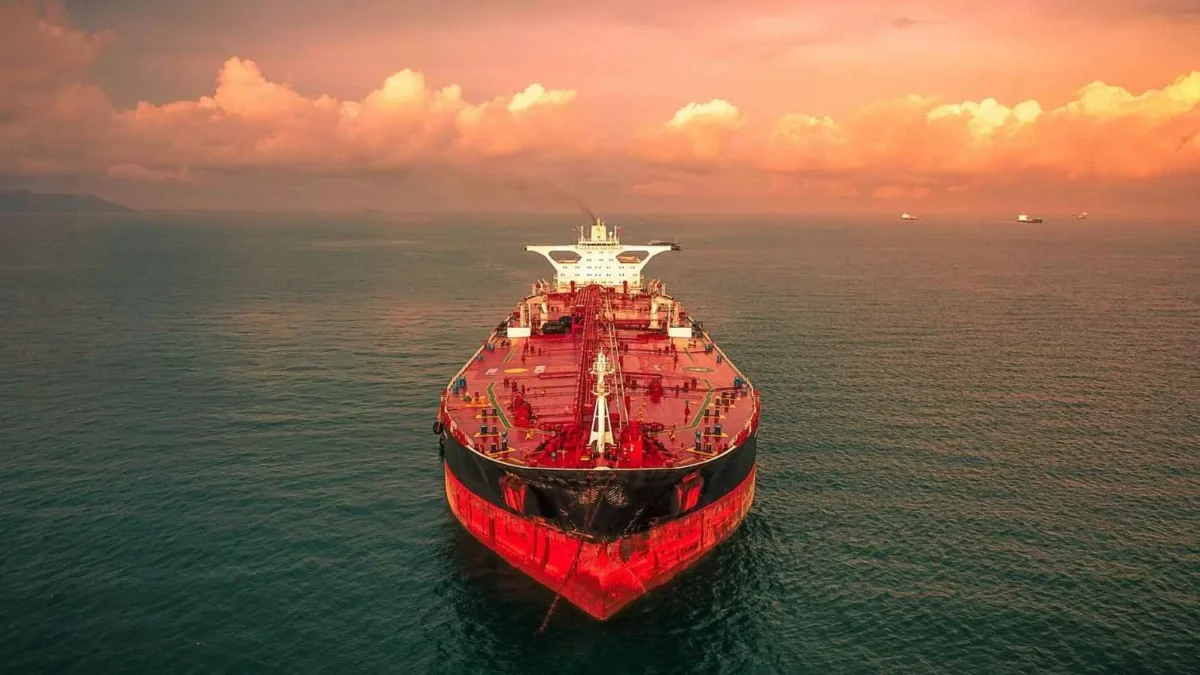
Iran’s Revolutionary Guards blocked passage through the Strait of Hormuz on Saturday, halting shipments along the crucial waterway. On Sunday, attackers targeted a tanker in the strait. At least 150 vessels carrying crude, liquefied natural gas, and other oil products are anchored in the Persian Gulf, unable to continue.
The Strait of Hormuz handles roughly one-fifth of global oil shipments, including exports from Saudi Arabia, the UAE, Iraq, Kuwait, and Iran. A prolonged closure could cause supply shortages and push energy prices higher.
Tamsin Hunt, senior analyst at global intelligence and cybersecurity consultancy S-RM, said, “A full closure of the strait would severely hurt Iran’s own economy.”
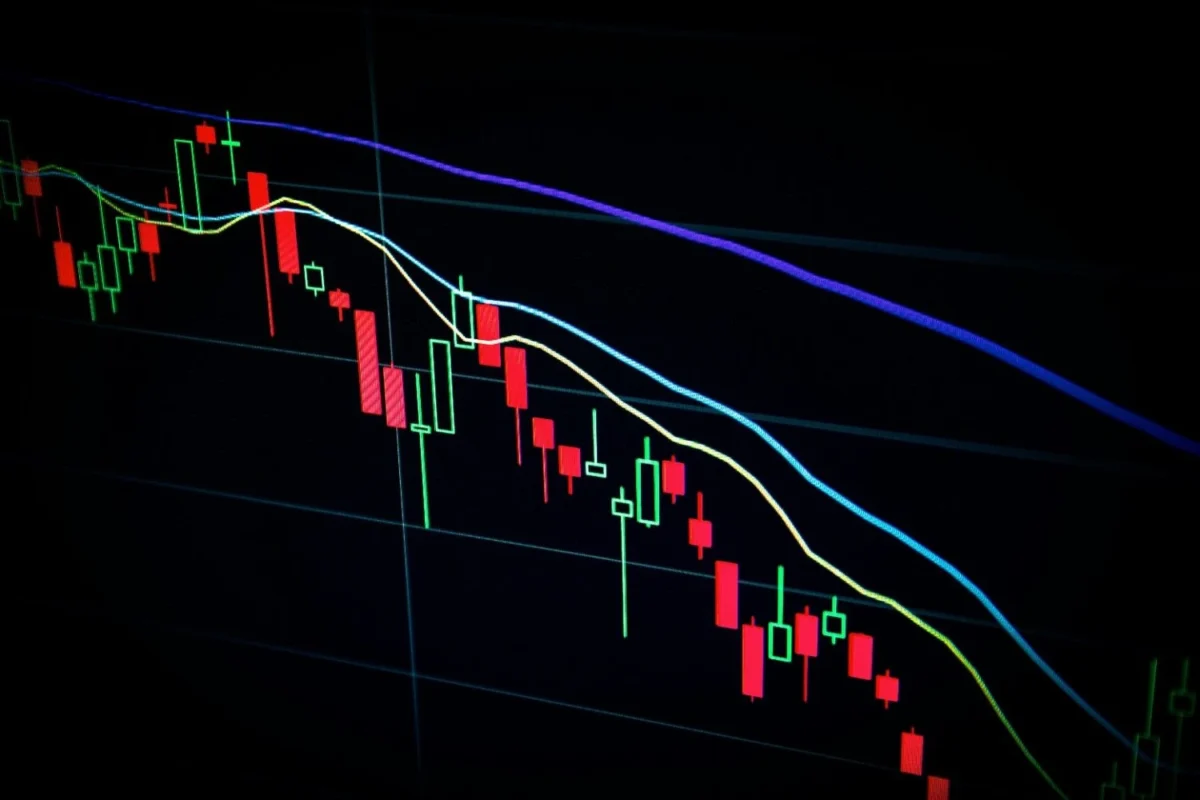
IG’s weekend data shows US crude could surpass $73 per barrel when New York trading opens. This is up from $67 on Friday. It would mark the highest level since June 2025, when US strikes targeted Iran’s nuclear facilities.
Barclays analysts said oil prices could reach $80 per barrel if supply disruptions continue. Experts at the Royal Bank of Canada warned that regional leaders told Washington about the risks of confrontation with Iran. They noted that oil exceeding $100 per barrel is a real possibility if tensions escalate.
Rising wholesale oil prices are likely to affect retail fuel costs. In the UK, petrol averages 132.9p per liter and diesel 142.4p, according to the AA. Fuel prices could rise further if the Iran disruption combines with the Treasury’s planned reversal of a 5p-a-liter duty cut.
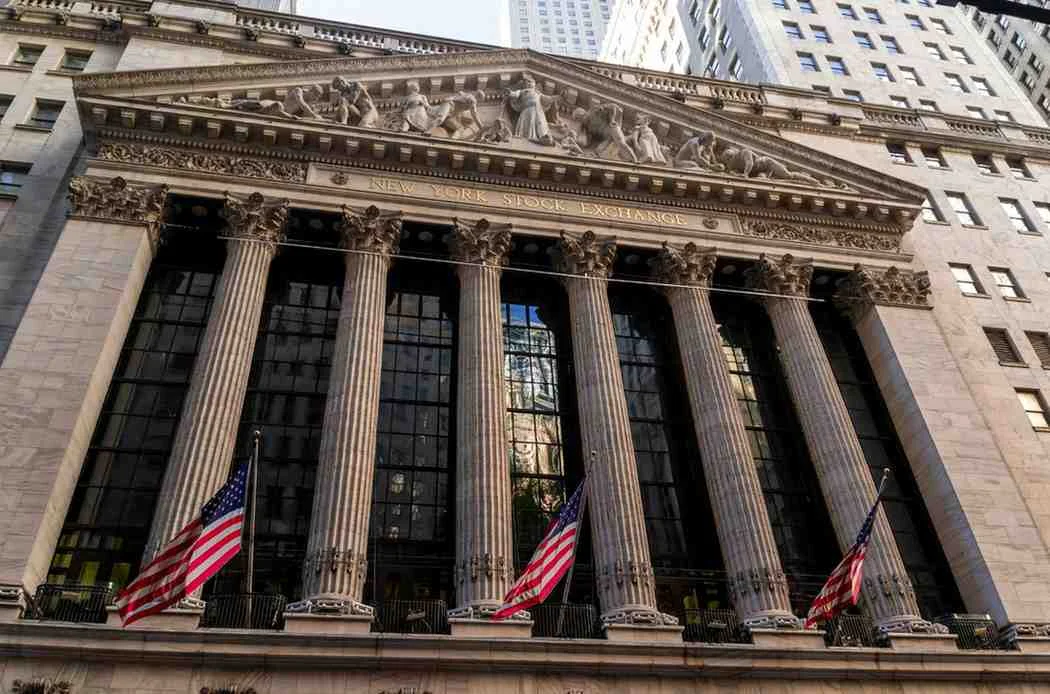
Stock markets are expected to react. London’s FTSE 100, which recently approached 11,000 points, may fall around 0.5% on Monday. Investors may seek safe-haven assets. Gold climbed 2.25% to nearly $5,400 per ounce, and silver rose 3.2% over the weekend.

Maritime risks are also growing. Dylan Mortimer, UK marine hull leader at Marsh, said attacks on shipping could increase insurance costs. “The main risks involve the Persian and Arabian Gulf. Iranian forces may seize vessels, and the Strait of Hormuz could close,” he explained.
Regional markets fell on Sunday. Saudi Arabia’s index lost 2.5%, mainly affecting financial, industrial, and utility companies. Meanwhile, Saudi Aramco shares gained 2.5% amid forecasts of higher crude prices. Kuwait suspended trading due to “exceptional circumstances.”
The International Energy Agency (IEA) said it is monitoring the Middle East situation and potential effects on global oil and gas trade. Operations at Dubai’s Jebel Ali port have been temporarily halted by DP World. The Mediterranean Shipping Company paused worldwide cargo bookings into the Middle East until further notice.
Analysts warn that oil prices may remain volatile in the coming days as tensions persist. Global markets will continue to respond to developments in the region.