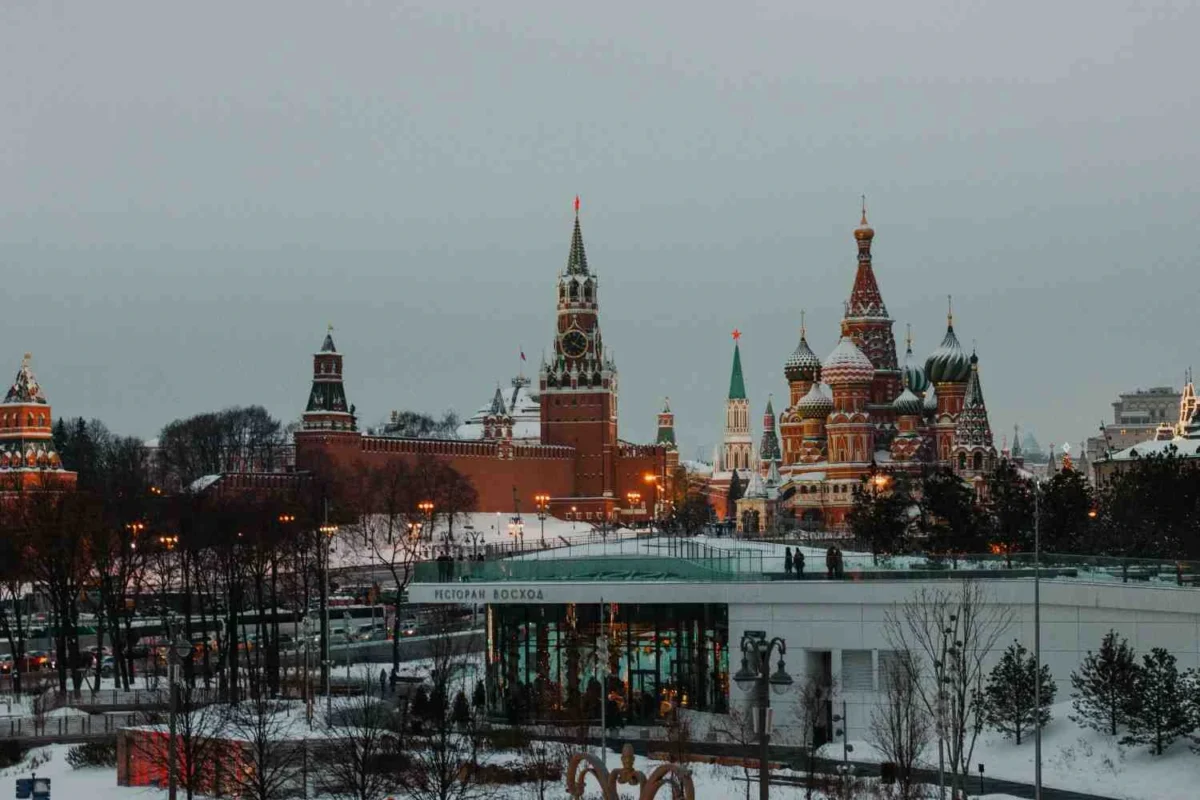
Russian President Vladimir Putin is due to meet US special envoy Steve Witkoff in Moscow on Tuesday, in a high‑stakes attempt to revive efforts to end the war in Ukraine. Witkoff represents the administration of US President Donald Trump, which is pushing a new peace initiative. US and European officials say Trump’s son‑in‑law and close adviser Jared Kushner will also attend.
The visit follows two days of closed‑door talks in Florida between senior Ukrainian officials and Trump’s team. Those meetings focused on reworking a US‑drafted peace outline that had previously drawn criticism in Kyiv and several EU capitals for leaning too far towards Moscow’s interests. White House Press Secretary Karoline Leavitt said negotiators have “significantly refined” the document and that Washington now sees a realistic path to a ceasefire, but she declined to discuss specific terms.
Ukrainian President Volodymyr Zelensky has cautiously welcomed the renewed diplomacy but insists that Ukraine’s sovereignty and territorial integrity are non‑negotiable. Speaking in Paris alongside French President Emmanuel Macron, he said some points from the Florida talks remain “very difficult.” He stressed that Ukraine will not agree to hand over more land to Russia.
Rising Pressure for a Breakthrough
Diplomats say the Moscow talks are unfolding under growing pressure from all sides. Western governments want to cut the costs and risks of a long war. Russia is trying to secure its gains without facing deeper isolation. Ukraine is seeking peace without giving up its future security or territory. These competing goals make even small steps politically sensitive and raise the stakes for every high‑level meeting.
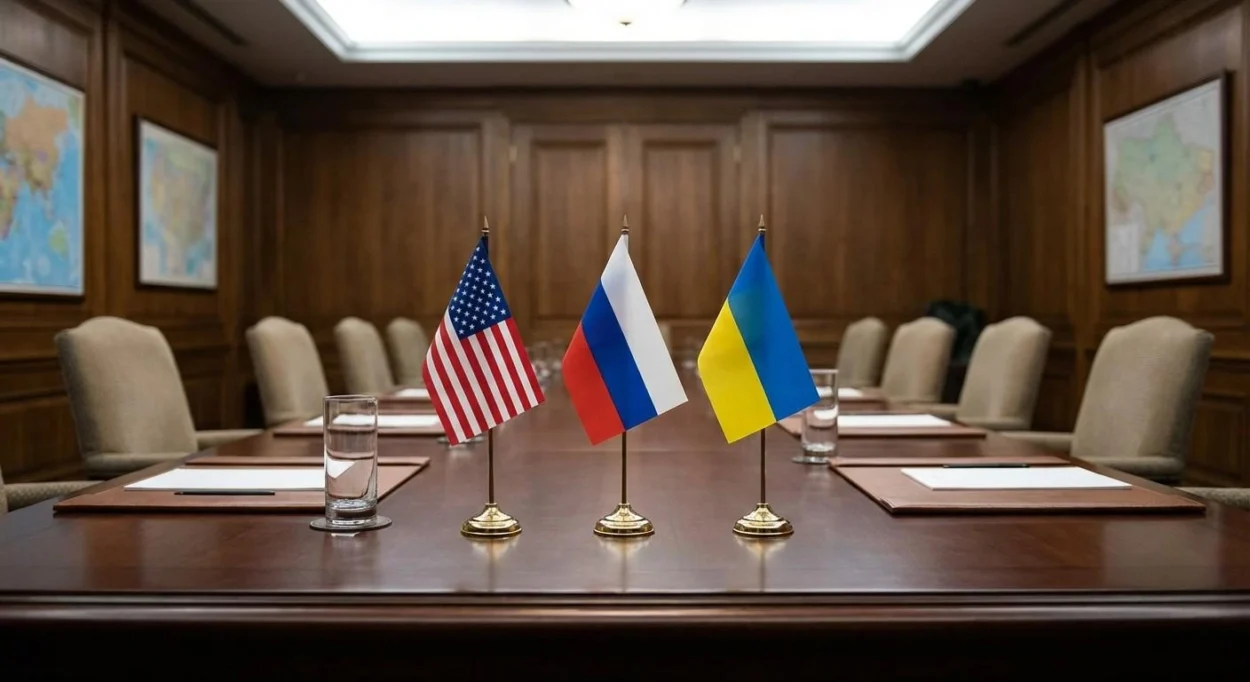
The original US‑Russia draft, circulated in November, alarmed many in Europe. Diplomats say it would have cemented certain Russian political claims in occupied regions, dictated the handling of frozen Russian state assets in European banks, and set conditions on Ukraine’s future access to EU markets. The revised version reportedly softens some of those elements, prompting new hesitation in Moscow.
Europe’s Role and Security Concerns
European leaders refuse to be sidelined. Macron insists that negotiators must work out any peace plan with both Kyiv and EU partners. He says issues such as frozen Russian assets, long‑term security guarantees and Ukraine’s possible EU membership are decisions for Europe. EU foreign policy chief Kaja Kallas has also warned that pressure must not fall only on Ukraine. She argues that Kyiv should not be pushed into concessions just to secure a quick deal.
Security guarantees remain a central sticking point. Kyiv and many European states want firm commitments to prevent another Russian assault, with some seeing NATO‑level protection as the only credible option. Moscow rejects Ukrainian NATO membership, and Trump has also ruled it out, forcing negotiators to explore alternative security models.
The diplomatic push comes as Russia claims to have captured the eastern towns of Pokrovsk and Vovshansk—claims not confirmed by Kyiv and disputed by independent analysts. The outcome of the Moscow talks will help reveal whether this latest peace drive can bridge such gaps or become another stalled effort in Europe’s bloodiest conflict in decades.