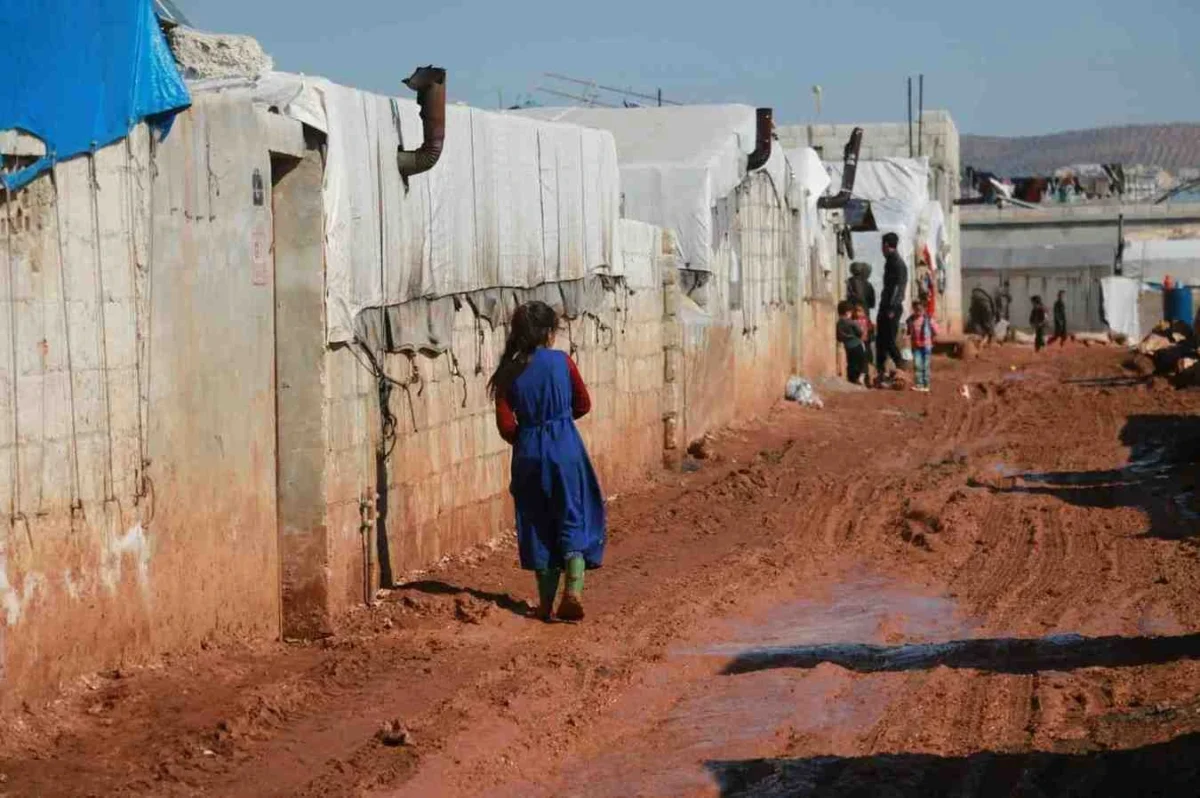
Many Syrians in Turkey are once again thinking about returning to their homeland after the fall of former president Bashar al-Assad in December 2024. For families who fled the war, the decision is difficult. Some see an opportunity to rebuild their lives in Syria, whereas others remain concerned about safety, jobs, and access to basic services. In addition, electricity, water, and healthcare remain uncertain, making the decision even more difficult.
Ahmed, 18, lives in Gaziantep near the Syrian border. He was only five when his family fled the war. Wearing a black T-shirt with the word “Syria” printed on it, he speaks with determination about returning.
“I want to go as soon as I can,” he says. For now, I’m saving money because wages are low there. However, I believe the future will be better.
Despite having few memories of his homeland, Ahmed is confident Syria will recover. “It will be rebuilt,” he says. “It will shine again.”
If he follows through, Ahmed will join more than 500,000 Syrians who have left Turkey since Assad’s removal. Many of them arrived after the civil war erupted in 2011, seeking safety across the border.
Over the last decade, Turkey has taken in more Syrians than any other country, with the refugee population peaking at about 3.5 million. While many found safety there, their long presence also became a sensitive political issue, occasionally causing tension and isolated attacks.
Although Turkish authorities insist returns are voluntary, some Syrians say the environment has changed. Administrative hurdles and social pressure have made many feel less welcome.
A Syrian woman, who requested anonymity, expresses her sense that the time to depart is approaching. Some of our Turkish friends also wonder why we haven’t left yet. We will go back—but it must be organized. Otherwise, if everyone leaves at once, it will be chaos.
Aya Mustafa, 32, also lives in Gaziantep. Her hometown, Aleppo, is less than two hours away. She says discussions about returning dominate daily life among Syrian families.
“We talk about it constantly—when we might return and how it will happen,” she says. “Yet, there are many obstacles. Some children were born here and don’t even speak Arabic.”
Aya’s family, once professionals in Syria, rebuilt their lives in Turkey through small trades. She recently visited Aleppo and saw widespread destruction. Her family home still stands, but it is now occupied by others.
“Returning is a huge decision,” she explains. “I am responsible for my elderly grandmother and my sister, who has a disability,” she says. We need electricity, water, and jobs. Without the basics, survival is impossible.
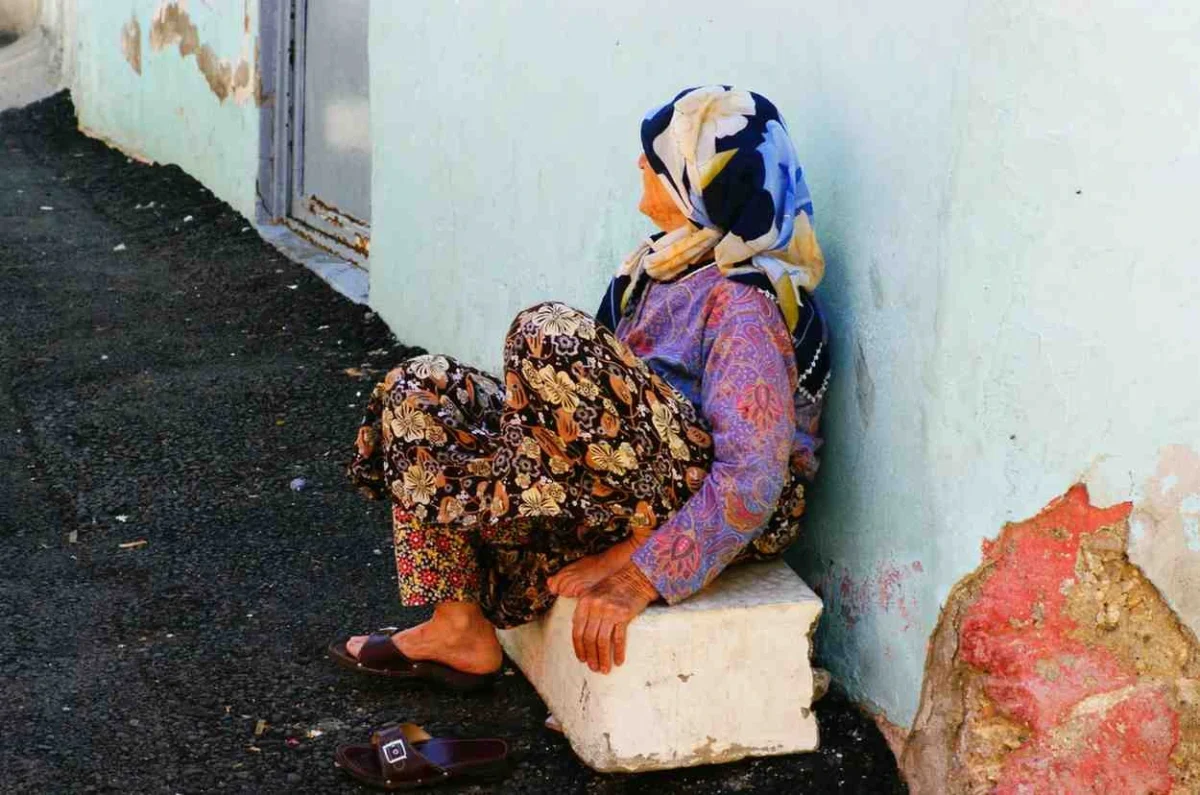
Syria’s fragile transition adds to these concerns. The interim leadership, headed by Ahmed al-Sharaa, faces scrutiny over its ability to restore security and rebuild institutions after years of conflict.
For now, Aya says her family cannot move back permanently. “It will take years,” she admits. “However, we believe that, eventually, everyone will come back,” she says.
Not all Syrians share that optimism.
In the same city, a Syrian father of two—who runs a humanitarian organization—rejects the idea of returning altogether. Speaking over tea with his family, he is firm.
“No, not for my family,” he says. “And not for my organization.”
In addition, he points to ongoing problems in Syria, including economic collapse, weak public services, and daily security incidents. “The interim government lacks experience,” he explains. “A year has gone by, and the situation does not look promising,” he says.
Like others, he has visited Syria since Assad’s fall. Meanwhile, the situation left him deeply concerned.
“Violence continues every day,” he says. “No matter who the victims are, they are human lives.”
At the same time, his voice softens when he speaks of his elderly father in Damascus, who has not seen his grandchildren in over a decade.
For now, his family remains in Turkey. Still, he is preparing for every possibility.
“My first plan is to stay,” he says. “If that fails, I have backup plans. I’m an engineer—I always plan ahead.”
None of those plans includes returning to Syria.
As Syria enters an uncertain new chapter, millions of displaced citizens continue to weigh hope against hardship. For Syrians in Turkey, the pull of home remains strong—but the road back is far from clear.