
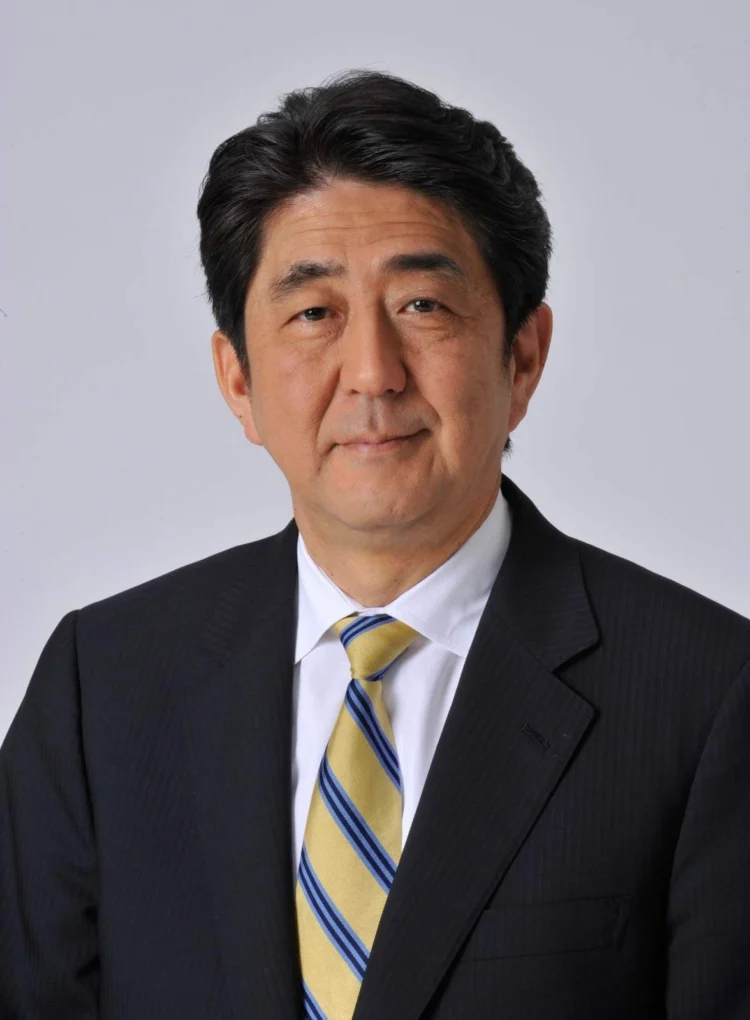
The man who assassinated Japan’s former prime minister Shinzo Abe has been sentenced to life imprisonment, more than three years after the fatal shooting at a political rally in Nara in 2022.
Tetsuya Yamagami, 45, admitted responsibility for the attack at the start of his trial. The court ruled that the crime warranted the most severe penalty available under Japanese law, citing its impact on the nation and the gravity of the act.
A nation shaken by rare gun violence
Abe was delivering a campaign speech in broad daylight when Yamagami fired two shots with a homemade firearm constructed from metal pipes and duct tape. The killing stunned Japan, a country with some of the world’s strictest gun controls and extremely low rates of firearm crime.
Prosecutors described the assassination as a deliberate and unforgivable act that undermined public safety and democracy. They argued that only a life sentence reflected the seriousness of the offense.
Defense points to troubled background
Yamagami’s lawyers sought a reduced sentence, saying he had been shaped by what they called “religious abuse” within his family. They told the court his mother’s heavy financial contributions to the Unification Church had pushed the household into bankruptcy, leaving lasting emotional and economic damage.
According to the defense, Yamagami developed resentment toward Abe after learning of the former leader’s past connections to the church. Yamagami told the court he had initially planned to target senior figures linked to the organization, not Abe himself.
Emotional testimony in court
Nearly 700 people gathered outside the Nara District Court on the day of sentencing, reflecting the intense public interest in the case.
Abe’s widow, Akie Abe, delivered a statement expressing her enduring grief. She said the pain of losing her husband would never fade and added that she had only wished for him to remain alive.
Observers in the courtroom described her reaction as one of disbelief when Yamagami said Abe was not his original target.
Wider fallout for politics and religion
Abe’s killing triggered renewed scrutiny of the Unification Church in Japan. Authorities later investigated its fundraising practices, including allegations that followers were pressured into making financially devastating donations.
The case also exposed connections between the church and members of Japan’s ruling Liberal Democratic Party. Several cabinet ministers resigned as a result of the revelations.
Last year, a Tokyo court revoked the church’s legal status as a religious corporation, ruling that it had exploited believers’ fears for financial gain.
A family marked by hardship
During the trial, Yamagami’s sister testified about the severe difficulties faced by the family because of their mother’s devotion to the church. Her emotional account moved many in the courtroom to tears.
Journalists covering the proceedings described Yamagami as withdrawn and resigned, readily accepting responsibility for his actions.
Divided public opinion
Prosecutors maintained there was no direct link between Abe’s actions and Yamagami’s family’s suffering. Judges also questioned the logic of holding the former prime minister responsible for the church’s influence.
Public opinion remains divided. Some see Yamagami solely as a murderer, while others view him as a product of social and family failures.
Sociologist Rin Ushiyama of Queen’s University Belfast said sympathy for Yamagami reflects deep public mistrust of controversial religious groups in Japan. However, he stressed that personal hardship cannot excuse violence.
A case that continues to resonate
Shinzo Abe, Japan’s longest-serving prime minister, was one of the country’s most recognizable political figures. His death sent shockwaves across Japan and the wider world.
The sentence closes the trial, but the wider debate about responsibility, vulnerability, and prevention remains unresolved.