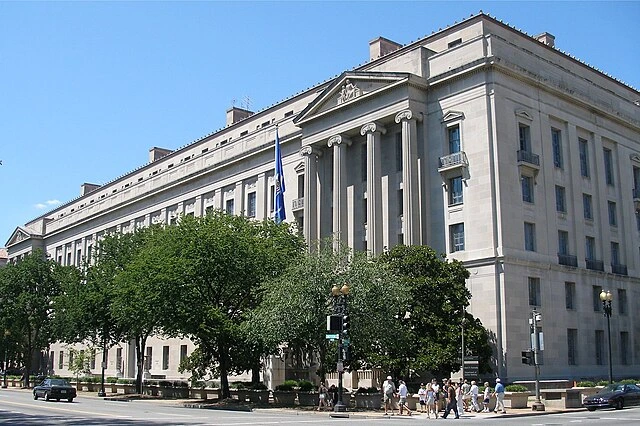
US lawmakers have accused the Department of Justice (DOJ) of improperly redacting documents linked to convicted sex offender Jeffrey Epstein before releasing them to the public.
On Monday, members of Congress began reviewing unredacted Epstein files for the first time. The collection includes nearly three million pages released under the Epstein Files Transparency Act (EFTA), which lawmakers passed last year to improve transparency.
However, several lawmakers say the DOJ failed to follow the law’s requirements. Democratic Representative Ro Khanna said officials removed names that Congress intended to keep visible. He said the redactions made it harder for the public to hold powerful figures to account.
Khanna said the FBI changed the documents earlier this year before sending them to the Justice Department. Because those changes carried over into the public release, he said the public cannot determine which powerful individuals may appear in the files.
Meanwhile, the controversy intensified last week when lawyers for Epstein’s victims reviewed newly released records. They warned that some documents exposed sensitive information, including email addresses and explicit images that could identify survivors.
In response, survivors issued a joint statement condemning the disclosures. They said public exposure would retraumatize victims and violate their right to privacy. Following those complaints, the DOJ removed the affected files and later said technical and human errors caused the mistakes.
Representatives Thomas Massie and Ro Khanna said they had examined unredacted records and found that one document listed roughly 20 people. However, the document concealed every name except Epstein’s and his associate Ghislaine Maxwell’s.
Massie said several redacted names could belong to individuals implicated by their presence in the files. Soon after, he shared a screenshot online and demanded clarification from the DOJ.
Deputy Attorney General Todd Blanche responded publicly, saying the DOJ restored all non-victim names in the disputed document. He emphasized that the department protected only victim identities, as required by law, and added that officials corrected the errors quickly.
Despite those changes, Khanna said the broader problem remains unresolved. He argued that the DOJ still failed to comply with the EFTA because officials received documents that the FBI had already altered instead of reversing the redactions.
“Trump’s FBI scrubbed these files months ago,” Khanna wrote online. According to him, the DOJ inherited the redactions rather than removing them.
Similarly, Massie said the handling of the files shows that officials did not conduct adequate reviews before release. He said FBI interview summaries, known as 302 forms, reached senior DOJ officials with redactions already in place.
One disputed document includes an email exchange discussing travel between China and the United States and referencing a disturbing video. Massie questioned why officials hid the sender’s identity.
Blanche responded that the redacted text contained an email address, which qualifies as protected personal information under the law. He also noted that the sender’s name appears elsewhere in the files without redactions.
Later, Massie objected to the omission of a well-known retired business executive from a public FBI document listing potential associates. Within hours, Blanche confirmed that officials restored the name, noting that the same name already appears in other records.
“DOJ is hiding nothing,” Blanche said.
Several lawmakers reviewed the documents on Monday, including Representatives Jamie Raskin and Lauren Boebert. Boebert said the files implicate multiple individuals.
Raskin criticized the DOJ’s review process, saying officials provided lawmakers with only four computers to examine more than three million pages. As a result, he warned that limited access could delay congressional oversight for years.