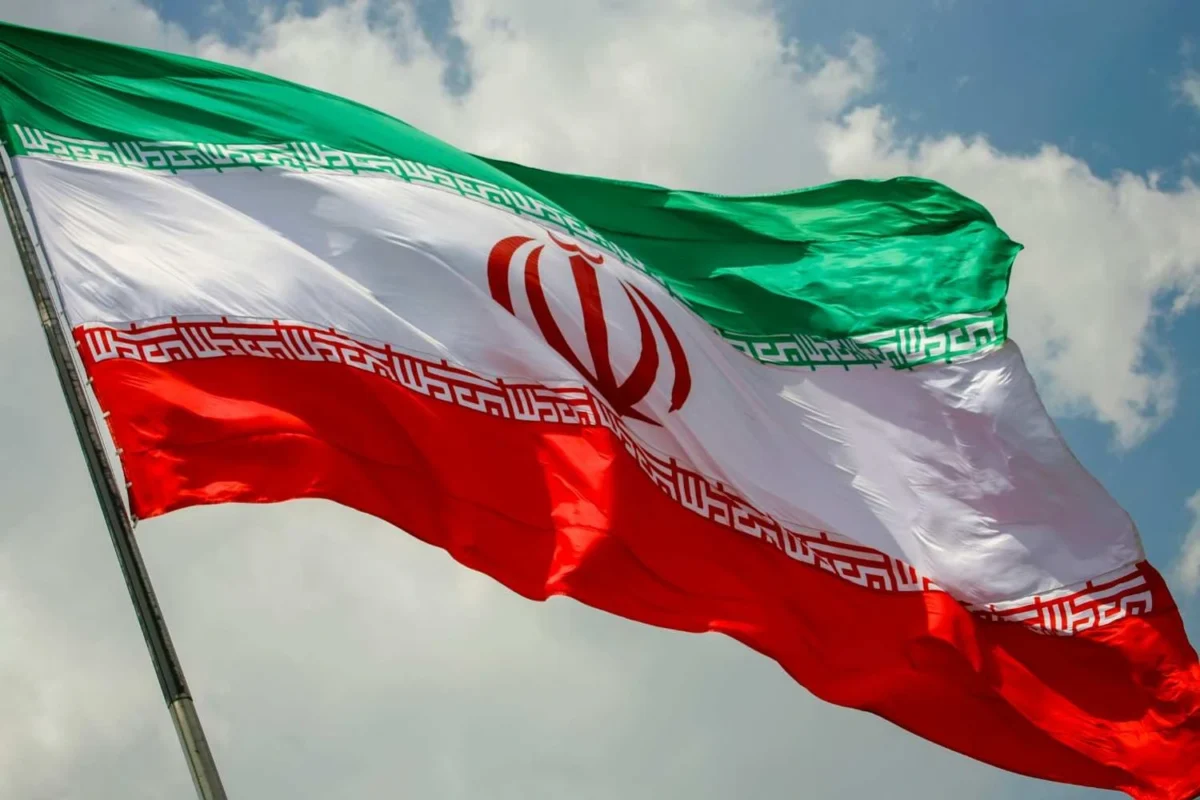
Protesters across Iran returned to the streets on Saturday night, defying an intensified government crackdown as reports of rising deaths and arrests continued to emerge.
Medical workers at two major hospitals reported receiving over 100 bodies in just two days, underscoring the rising human cost of the unrest. Human rights organizations have also reported a sharp rise in fatalities, including among security personnel.
Iran’s attorney general warned that authorities could label anyone joining the protests as an “enemy of God,” a serious charge that Iranian law can punish with the death penalty.
Protests Spread Nationwide
What began as frustration over rising prices and the cost of living has grown into a nationwide movement. Demonstrators from across Iran, representing many cities and communities, are taking to the streets, with protests now reported in over 100 cities and towns across all provinces.
Protesters are no longer focused only on economic issues. Many are openly calling for an end to clerical rule under Supreme Leader Ayatollah Ali Khamenei.
Khamenei described the protesters as “vandals” who were being influenced by foreign forces.
Growing Tensions With the United States
US President Donald Trump warned that Iran would face serious consequences if authorities continued killing protesters. Iran’s parliament speaker responded by saying any US attack would make American and allied targets in the region legitimate military objectives.
Trump later said the United States was “ready to help,” describing Iran as moving toward “freedom,” though he did not explain what that support would involve.
US media reported that officials briefed Trump on potential military options, but they confirmed that no immediate action was planned.
Hospitals Overwhelmed
Hospital staff in several cities said they were struggling to cope with the number of injured and dead. One health worker in Tehran reported dozens of deaths at a single hospital, while another facility in Rasht received at least 70 bodies in one night.
Two human rights groups estimate that authorities have killed more than 100 people so far.
Arrests and Official Claims
Iran’s police chief said authorities had intensified operations and arrested what he called “key figures” in the protests. He claimed that organized groups, not security forces, caused many of the deaths, though he offered no evidence.
A human rights organization reported that authorities have arrested more than 2,500 people since the protests began on December 28.
Information Blackout
International media organizations are unable to report freely from inside Iran. The government has imposed a strict internet shutdown, making it extremely difficult to verify information.
Iranian authorities have restricted access to both international platforms and much of the country’s domestic network. Experts say the current shutdown is more severe than during the 2022 protests.
Internet researcher Alireza Manafi said people may have to rely on satellite connections to reach the outside world, but he warned that authorities could monitor these links.
Role of Iran’s Exiled Royal Heir
Reza Pahlavi, who lives in exile as the son of Iran’s last king, called on people to continue their protests while reminding them to stay together in groups and avoid putting themselves in danger.
He said that some members of Iran’s security forces were defying orders, although these claims have not been independently verified.
Human Rights Warnings
Amnesty International said it was reviewing serious allegations that security forces had increased their use of lethal force against civilians.
UK Foreign Secretary Yvette Cooper said that Iranians have the right to voice their opinions about the government safely, without the threat of violence, harassment, or punishment.
US-based human rights activists in Iran reported at least 78 protesters and 38 security personnel killed in the past two weeks. Norway-based Iran Human Rights placed the protester death toll at more than 190.
The group’s director, Mahmood Amiry-Moghaddam, warned that the real number could be much higher, especially following the nationwide internet blackout.
At least 26 victims, including six children, have been identified so far.
Echoes of the 2022 Uprising
The scale of today’s protests has drawn strong comparisons with the 2022 uprising that followed the death of Mahsa Amini in custody. Human rights groups say that the earlier movement resulted in more than 550 deaths and about 20,000 arrests, leaving a lasting impact on the country.
As demonstrations continue and access to information remains tightly controlled, the full scale of the crisis inside Iran remains unclear.