Want to know who really decides when global oil prices stabilize? Look to Tehran, not Washington.
This reality became clear this week when Saudi Aramco informed international crude buyers that it could not confirm which port would handle April shipments. Customers learned they might receive oil from either the Red Sea or the Gulf. The decision hinges on factors far beyond Saudi influence.
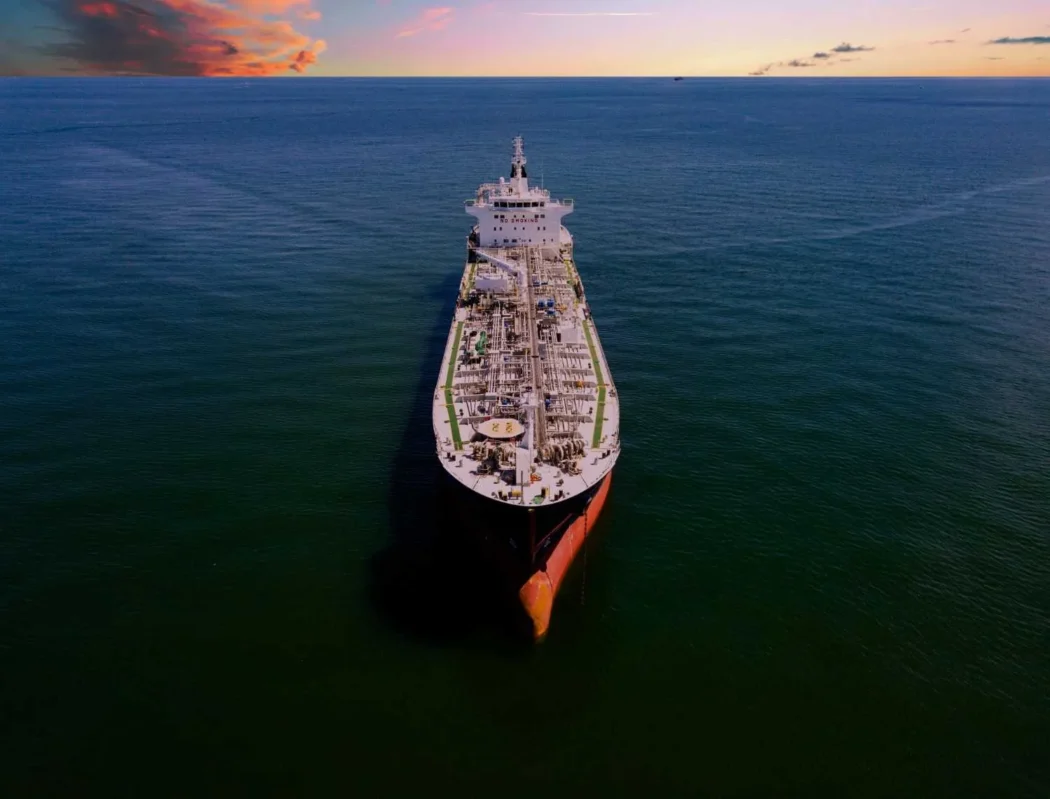
“For all intents and purposes, Iran decides when this conflict ends,” a regular purchaser of Saudi crude said. “My oil cannot move until then.” This bottleneck is especially concerning because the Strait of Hormuz, which handles roughly 20 percent of global oil and liquefied natural gas, has become largely unusable.
Iranian drone and missile campaigns have disrupted supply chains worldwide. Refineries, petrochemical plants, and power generation facilities all feel the impact.
Military Presence Alone Isn’t Enough
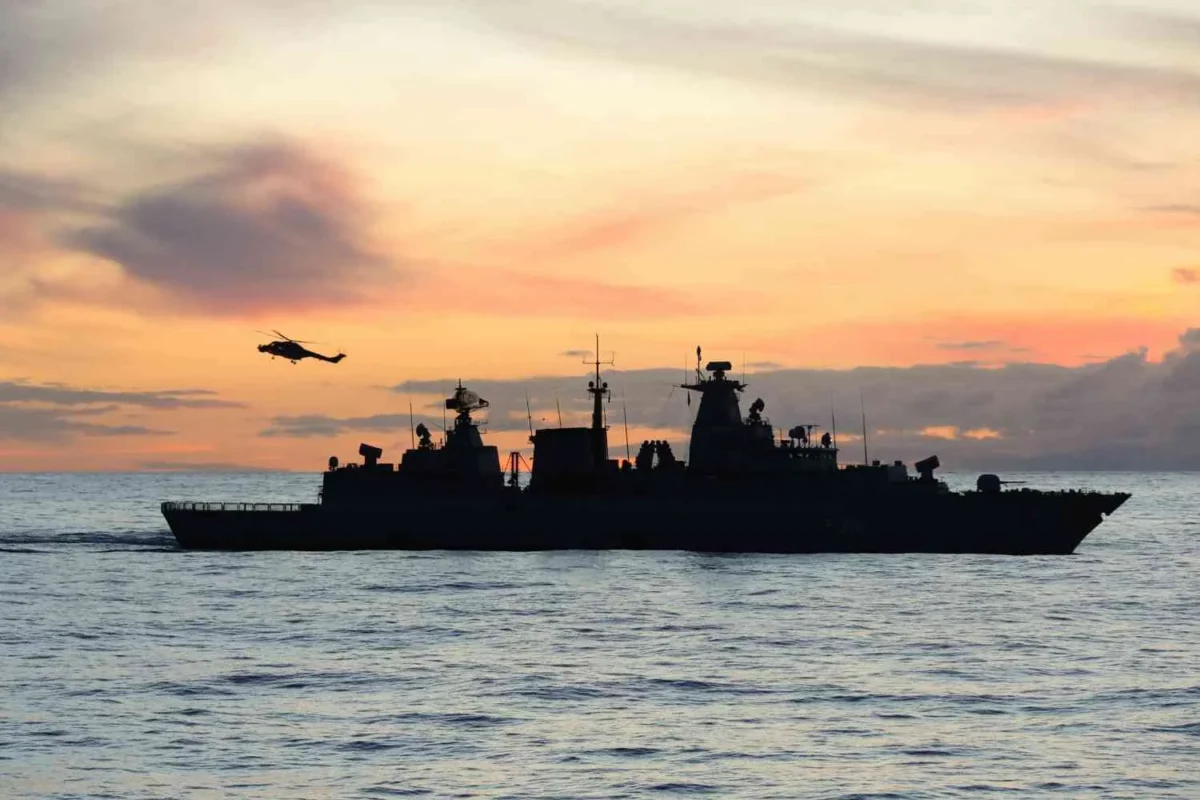
Washington has floated the idea of naval escorts to reopen the waterway. However, energy officials across the region say military presence alone will not revive normal trade.
President Donald Trump has stated repeatedly that the United States is near victory. His estimated timelines have ranged from days to weeks. The administration has urged allied countries to deploy warships for Strait security.
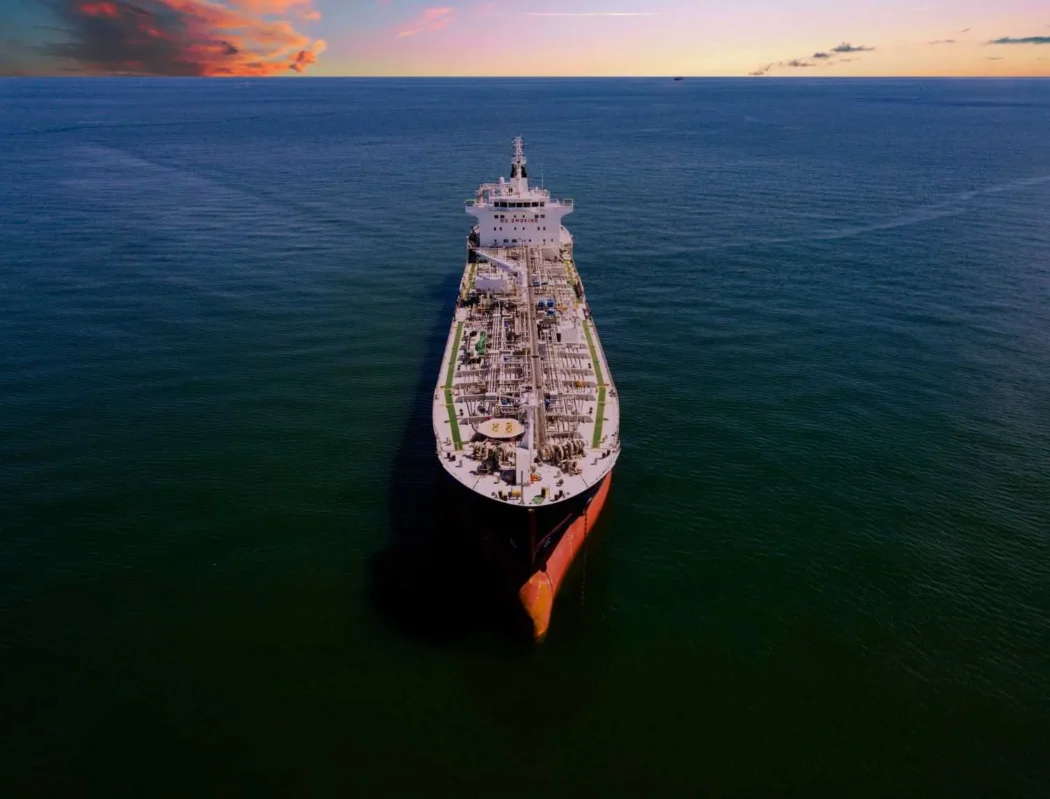
A senior Gulf energy figure said vessels will not move until clear agreements exist. The official made it clear that tanker crews will refuse to sail without explicit safety commitments from Tehran. “Military escorts don’t fix the underlying problem,” he added.
Iran can manufacture and deploy low-cost drones, meaning its ability to disrupt shipping could continue long after any official end to hostilities. Regional security experts share this assessment.
Conflict Expanding Beyond the Strait
The confrontation’s reach widened Saturday. Drones targeted the UAE’s Fujairah oil loading facility. Just hours after U.S. forces struck Iranian sites on Kharg Island, the drones hit Fujairah’s oil loading facility. Kharg Island hosts the facility where Iran loads most of its crude for export.
Helima Croft of RBC Capital described the attack as intentional signaling. She formerly worked as a CIA analyst. “Iran wants to show that no place is beyond its reach,” Croft said, adding that Washington cannot control how widely the conflict spreads.
Croft also pointed to additional risks from Iran-linked groups operating in Yemen and Iraq. The Houthis in Yemen could strike Saudi Arabia’s Yanbu terminal on the Red Sea. This serves as the kingdom’s sole alternative export point. Such action would have major consequences for world energy supplies.
Output Falls Drastically Across Region
The shipping standstill has driven extensive production cuts throughout the Middle East. Saudi Arabia slashed output by 20 percent after closing its Safaniya and Zuluf offshore fields. These rank among the globe’s largest.
Iraq, OPEC’s second-largest producer, has seen output crash by about 70 percent. The UAE has cut production in half. The UAE ranks third among OPEC nations.
Experts calculate total regional reductions at 7 million to 10 million barrels each day. This amounts to 7 to 10 percent of worldwide consumption.
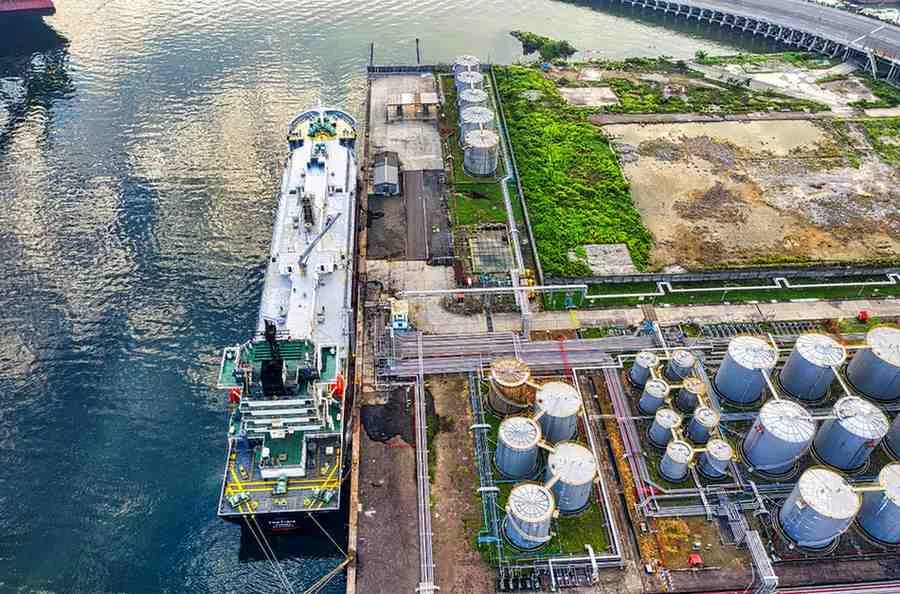
Qatar has stopped liquefied natural gas production entirely. This removes 20 percent of global LNG availability. Customers have been told that May deliveries remain unclear.
Trust in Supply Routes Crumbles
An energy adviser to the Iraqi government described a complete breakdown of trust. Regional supply corridors face total loss of confidence. The crisis reveals deep weaknesses in how Gulf nations safeguard their energy assets.
Refining operations across Saudi Arabia have halted following Iranian strikes. The UAE, Bahrain, and Israel also face shutdowns. Oil and gas prices have pushed upward as much as 60 percent.
Morgan Stanley analysts project weeks of continued market turmoil. This holds true even with an immediate halt to hostilities. According to Rapidan Energy, the crisis of confidence means major oil firms are likely to hesitate before restarting Gulf operations. This slow return could lead to complications underground, potentially harming the long-term health of the oil fields.
Shipping insurance expenses for Gulf cargoes are climbing rapidly. Options for insurance coverage are becoming increasingly difficult to secure. Companies are now reassessing the risks of operating in the region.
“Safety is the top priority right now,” one industry insider said. “We won’t expose our teams to any risk.”