Leaders of the Group of Seven (G7) nations announced they are ready to take decisive action to secure global energy supplies after rising tensions between the United States, Israel, and Iran pushed oil prices sharply higher.
Oil prices jumped toward $120 per barrel on Monday as tensions in the Middle East intensified. The sharp rise fueled concerns about possible supply disruptions and weighed on global stock markets.
G7 Discusses Possible Emergency Measures
Finance ministers from G7 countries held a virtual meeting alongside officials from the International Energy Agency (IEA) to assess the situation in energy markets.
While the group discussed several potential actions — including releasing crude oil from strategic reserves — no final decision was made during the meeting.
Fatih Birol, Executive Director of the IEA, warned that the global oil market has faced growing pressure in recent days due to several disruptions affecting both supply and transportation.
He pointed out that restrictions near the Strait of Hormuz, a key route for global energy shipments, have heightened risks and added uncertainty to the oil market. At the same time, some oil production in the region has been temporarily halted.
Birol said IEA member countries collectively hold over 1.2 billion barrels of emergency public oil reserves, in addition to around 600 million barrels stored by industry under government obligations.
Strategic Reserve Release Still Under Consideration
Following the meeting, French Finance Minister Roland Lescure said that the release of emergency oil reserves remains an option but emphasized that the situation has not yet reached that stage.
If governments decide to release these reserves, it would mark the first coordinated action since 2022, when major economies tapped emergency stockpiles after Russia’s invasion of Ukraine disrupted global energy markets.
In a joint statement, the G7 said its members remain ready to act if necessary.
The statement confirmed that measures could be taken to ensure global energy supplies, including the possibility of releasing strategic oil reserves.
Strait of Hormuz Disruption Raises Supply Concerns
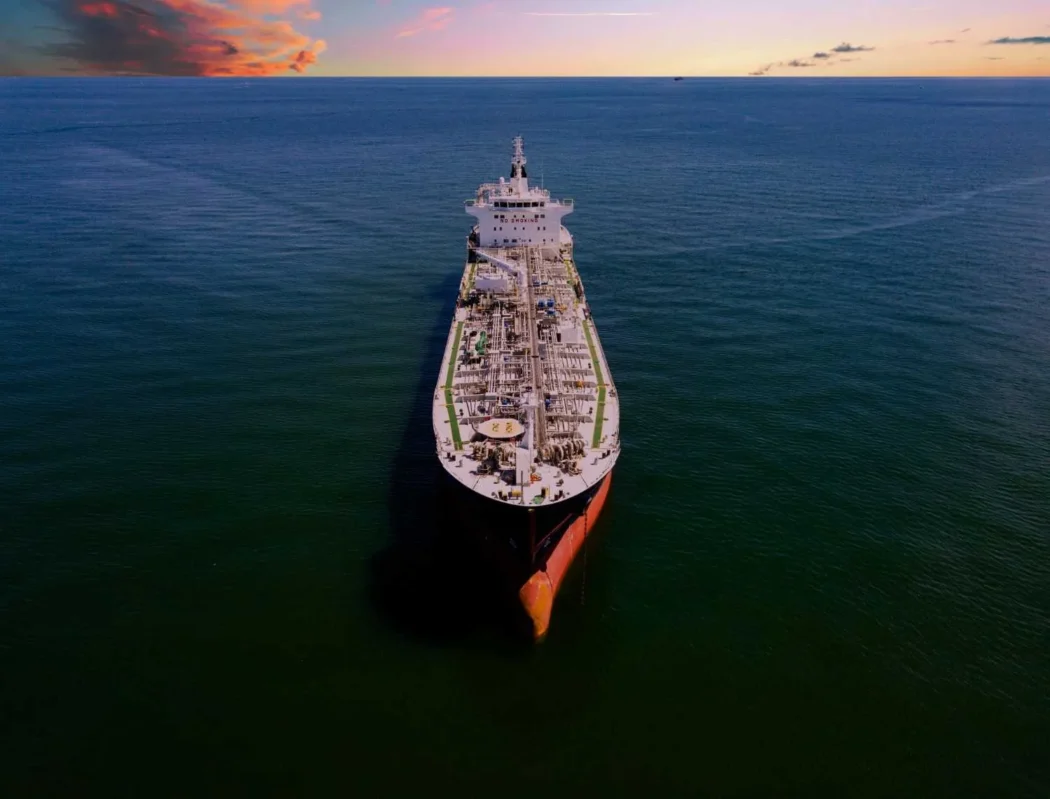
About one-fifth of the world’s oil shipments typically move through the Strait of Hormuz, highlighting its role as a crucial global energy transit route.
Since the conflict escalated more than a week ago, traffic through the narrow waterway has slowed dramatically, raising fears of a prolonged disruption to energy flows.
Military activity has intensified recently. The United States and Israel carried out additional airstrikes on several locations in Iran over the weekend, targeting infrastructure, including oil storage facilities.
Iran has also launched attacks on energy infrastructure in neighboring Gulf countries. Saudi Arabia reported intercepting and destroying two groups of drones that were heading toward a major oil field overnight.
Oil Markets React to Middle East Tensions
Rising tensions in the Middle East caused oil markets to react sharply, sparking worries about potential disruptions to global energy supplies and increasing uncertainty for traders worldwide.
Earlier, traders had remained relatively calm, but recent attacks on energy infrastructure increased uncertainty and triggered stronger market reactions.
During Asian trading on Monday, Brent crude surged by more than 25%, briefly touching $119.50 per barrel before easing to around $102. West Texas Intermediate (WTI) crude also showed strong volatility, trading near $101 per barrel as investors monitored developments in the region.
Trump Downplays Oil Price Concerns
US President Donald Trump has dismissed worries about rising oil prices.
On his Truth Social account, he stated that short-term increases in oil prices are a minor cost compared with broader security priorities.
He added that prices are expected to fall once the perceived threat from Iran’s nuclear program is removed.
Prolonged Conflict Could Raise Oil Prices
Energy analysts say the key factor for markets is how long the conflict continues.
Paul Gooden, head of natural resources at NinetyOne Asset Management, said the duration of the crisis will determine the level of stress in global oil markets.
He warned that prolonged conflict is likely to increase uncertainty and make markets increasingly uneasy.
Gooden suggested oil prices could temporarily reach $120 to $150 per barrel, a level where consumers may begin reducing fuel consumption, a phenomenon known as “demand destruction.”
However, he added that such price levels are unlikely to remain for an extended period.
Gas Prices Surge as Global Markets React
Natural gas markets have also reacted sharply.
In the United Kingdom, month-ahead gas prices surged nearly 25% at the start of Monday’s trading session before easing later in the day. Prices have now almost doubled compared with levels before the conflict began.
Despite the recent rise, gas prices are still well below the record highs of 2022, when Europe faced an energy crisis following Russia’s invasion of Ukraine.
Global stock markets reacted unevenly, with some indexes gaining while others fell. In the United States, both the S&P 500 and the Dow Jones Industrial Average started the day with losses.
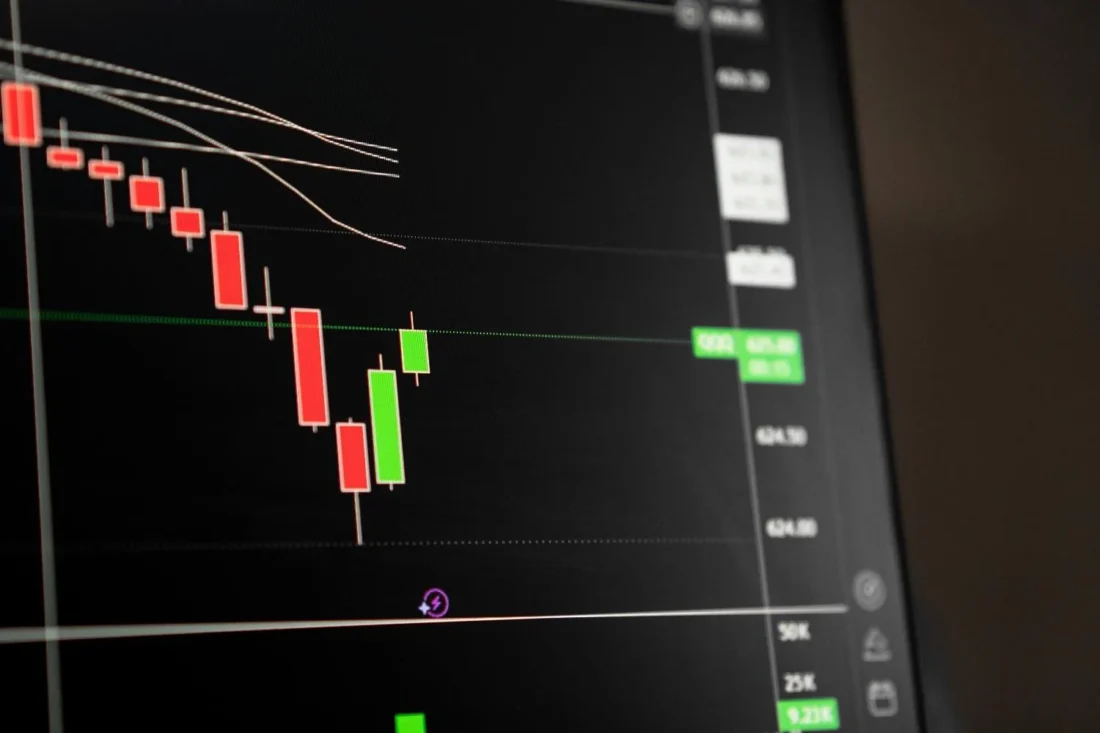
In London, the FTSE 100 ended the day slightly down after earlier losses, while energy companies such as Shell and BP recorded gains as investors moved toward oil producers.
Elsewhere in Europe, Germany’s DAX index and France’s CAC 40 both closed lower. In Asia, Japan’s Nikkei 225 and South Korea’s Kospi recorded sharp declines earlier in the day.
Interest Rate Expectations Shift
The jump in oil prices is also influencing expectations for central bank policy.
Rising energy prices could increase inflation, which may make central banks more cautious about cutting interest rates. Investors had earlier expected rate reductions, but the surge in oil prices is now changing those expectations.
In the United Kingdom, borrowing costs have already started to rise as financial markets reassess the outlook for future interest rate decisions.
Uncertainty Grows Over Duration of the Conflict
Economists say financial markets are starting to accept that the conflict could continue longer than many initially expected.
Adnan Mazarei said the recent rise in oil prices shows that investors are becoming increasingly concerned about prolonged instability in the region.
He added that disruptions to oil production and key transportation routes are adding to uncertainty and making the outlook for global energy markets more unpredictable.