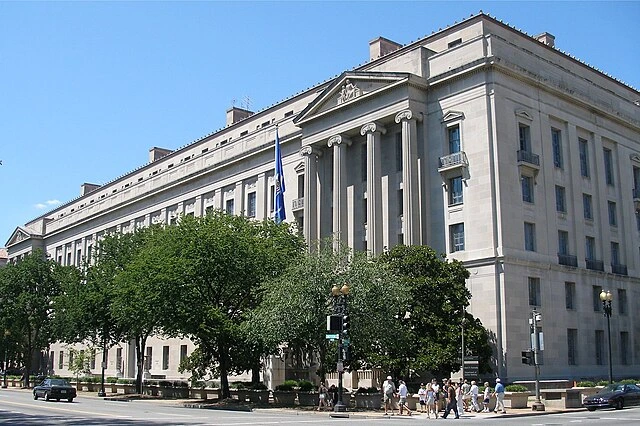
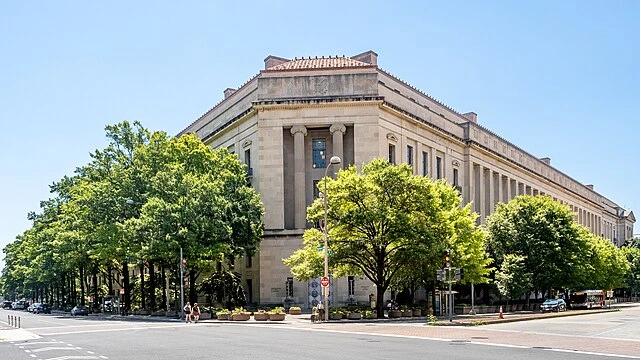
Survivors of Jeffrey Epstein’s abuse say they are disappointed and uneasy after the US Department of Justice released only part of its long-promised document archive.
The files were made public before a legal deadline on Friday, but many pages were heavily redacted. Some documents were later removed from the department’s website, raising new questions about transparency.
Several survivors said they had expected a clearer and more complete release.
Liz Stein, who has spoken publicly about Epstein’s abuse, said victims want all available evidence to be made public. She said partial disclosures risk creating confusion rather than accountability.
She also warned that releasing documents in stages, without full context, could leave survivors feeling ignored and misled.
Another survivor, Marina Lacerda, said many victims remain nervous about how the remaining files will be handled. Lacerda said survivors fear future releases may follow the same pattern, with large sections blacked out.
High-Profile Names Appear in Documents
The released materials include photographs and records connected to Epstein’s homes, travel, and social circle. Some images show well-known public figures and political leaders.
The Justice Department has stressed that appearing in the documents does not imply wrongdoing. Several people named or pictured have denied any involvement in Epstein’s crimes and have not been accused by victims.
Documents Removed From Website
By Saturday, at least 15 files that had briefly appeared online were no longer accessible. Some reportedly contained photographs taken inside Epstein’s properties, including framed pictures and artwork.
The department did not explain why the files were taken down.
Later, officials said the review process is ongoing and that materials may be updated or removed as redactions continue.
Justice Department Defends Redactions
According to the DOJ, more than 1,200 victims or relatives were identified in the records. Officials said information that could expose victims’ identities was withheld.
The department also redacted explicit material, records tied to active investigations, classified information, and content related to national security or foreign policy.
Officials said the names of politicians were not redacted unless they were victims.
Legal Experts Express Concern
Some legal experts say the scale of the redactions could damage public trust.
Criminal defense attorney John Day said the lack of clarity may fuel speculation. He noted that Congress is entitled to a detailed explanation of what was removed and why.
Until that information is provided, he said, it will be difficult to assess whether the department fully complied with the law.
Survivors Still Waiting for Answers
In court filings, federal prosecutors acknowledged that some redactions may appear excessive. However, they said protecting victim privacy—especially in photographs—required a cautious approach.
For survivors, the issue remains unresolved.
Many say they are still waiting for a full accounting of what happened and who knew. As pressure builds, attention now turns to whether the remaining files will bring answers—or deepen doubts.