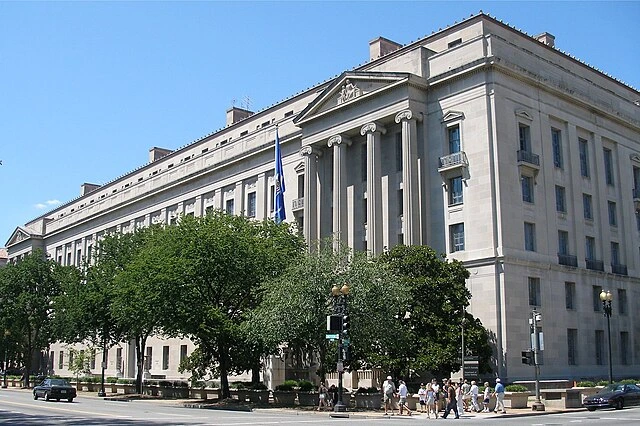
The U.S. Department of Justice has released its largest batch to date of records related to Jeffrey Epstein, making public more than 11,000 pages this week under federal disclosure requirements. The new material adds fresh details to a sprawling case that has captivated the public for years—while reigniting bipartisan criticism over the extent of redactions.
At a glance
- More than 11,000 pages of records released by the Justice Department
- Large portions remain redacted, prompting bipartisan pushback
- 2019 FBI emails reference 10 potential co-conspirators; two names are visible
- DOJ says a letter to Larry Nassar and a prison-cell video are fake
- Trump appears in the files more often, largely via media excerpts; DOJ cites unsubstantiated claims
A Partial View of the Case
The disclosure follows smaller releases earlier in the week and offers a partial window into investigative steps taken after Epstein’s 2019 death in federal custody. Many of the files are heavily redacted, with names and identifying details obscured.
Justice Department officials say the blackouts are meant to protect victims and avoid compromising ongoing inquiries. Lawmakers from both parties, however, argue the agency may be over-redacting and point out that federal law generally bars withholding records to prevent embarrassment. Several members of Congress have signaled they’re weighing legal options to force broader disclosure.

FBI Emails List Potential Associates
Among the most notable items are internal FBI emails from 2019 referencing 10 people identified as potential co-conspirators. According to those emails, six individuals had already been subpoenaed in multiple states, while subpoenas for four others were pending at the time. One unresolved matter involved a wealthy Ohio businessman.
Most names remain redacted, but the Justice Department leaves two visible: Ghislaine Maxwell—Epstein’s longtime associate who later received a sex trafficking conviction—and Les Wexner, former CEO of Victoria’s Secret’s parent company. Attorneys for Wexner have said federal prosecutors determined he was neither a target nor a co-conspirator and that he fully cooperated with investigators.
Maxwell Emails Draw Scrutiny
The files also include a 2001 email exchange between Maxwell and a sender identified as “A,” using the alias “The Invisible Man.” The messages contain suggestive references to “friends,” language that has drawn attention, given Maxwell’s later conviction.
The sender’s identity has not been confirmed. Similar email addresses appeared in prior releases of Epstein-related contact lists, but the messages alone do not establish criminal conduct.
DOJ Says the Letter to Larry Nassar Was Fabricated
Federal officials have determined that a handwritten letter circulating online—allegedly from Epstein to Larry Nassar, the former USA Gymnastics doctor serving decades in prison—is fake. The Justice Department says the handwriting does not match Epstein’s, the mailing details are incorrect, and the postmark dates to three days after Epstein’s death. An FBI laboratory analysis request included in the records supports the conclusion that the letter is not genuine.
The files also touch on high-profile figures who intersected with Epstein, including former President Donald Trump.
Trump Appears More Often, With Caveats
Former President Donald Trump appears more frequently in this batch than in earlier disclosures, though many references come from media clippings included in the files. An internal email from a federal prosecutor states that flight records indicate Trump flew on Epstein’s jet several times between 1993 and 1996, occasionally with family members, and that Maxwell was present on some flights.
Being named in the records does not prove criminal wrongdoing. The Justice Department states that some claims involving Trump, submitted shortly before the 2020 election, were false or unsubstantiated. Trump has repeatedly denied any misconduct related to Epstein.
Fake Prison Video Flagged to Investigators
Another item in the release is a video showing a person resembling Epstein in a jail cell. Authorities say the clip is not real. The records show that a member of the public sent the footage to investigators to verify its authenticity. Officials later traced the video to a 3D animation posted online in 2020. Federal officials have previously said no surveillance footage exists from inside Epstein’s cell on the day of his death.
Mounting Pressure for Clarity
The latest release underscores the volume of tips, rumors, and unverified material that have reached federal authorities since Epstein died in 2019. It also spotlights the gaps that remain: who was investigated, who faced charges, and who did not.
Victims’ advocates, lawmakers, and members of the public are pressing for a fuller accounting. With fresh scrutiny on the redactions and disputed materials, the Justice Department faces growing pressure to provide clearer answers—or risk further erosion of trust in the handling of the case.
Context
In July 2019, authorities arrested Epstein, a financier and registered sex offender, on federal sex trafficking charges. He died the following month in a Manhattan jail, and officials ruled his death a suicide. In 2021, a jury convicted Ghislaine Maxwell of sex trafficking and related offenses. The newly released records continue to map the breadth of the investigation, even as key details remain under wraps.