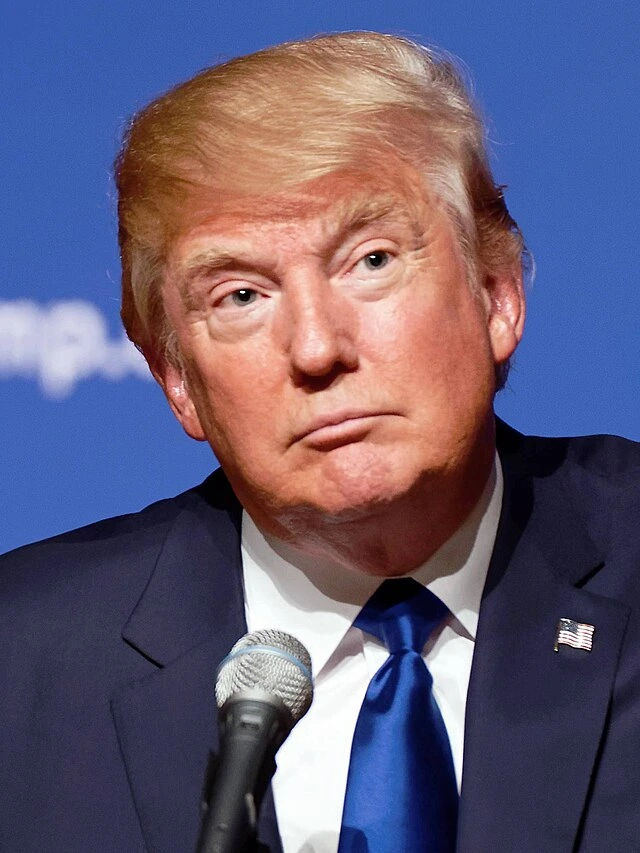
Donald Trump’s second term as US president is increasingly defined by an aggressive foreign policy and a readiness to use pressure beyond diplomacy. After his administration moved forcefully against Venezuela, attention has shifted to where Washington’s focus may turn next.
Trump described the Caracas operation as part of a renewed push for US influence across the Western Hemisphere. By reviving the language of the Monroe Doctrine, he made it clear that the United States is ready to challenge any government it considers a threat to its security or strategic interests.
Trump and other senior US officials have recently spoken in ways that suggest more countries could soon come under American pressure.
Greenland
Greenland was not previously part of the debate, but it has now become a key point of interest for Washington. While the United States already operates the Pituffik Space Base on the Arctic island, Trump has gone further, openly arguing that Greenland itself is critical to American security.
He has pointed to growing Russian and Chinese activity in Arctic waters and described the region as strategically exposed. Greenland’s position gives access to the North Atlantic and the Arctic Circle, an area expected to gain importance as melting ice opens new shipping routes.
The island is also rich in rare earth minerals, materials that are vital for everything from smartphones and electric cars to advanced military systems. China now supplies most of the world’s rare earth materials, and US officials say that dominance has become a serious strategic worry for Washington.
Greenland’s government has firmly rejected any suggestion of US control. Prime Minister Jens Frederik Nielsen called the idea unrealistic and stressed that any dialogue must respect sovereignty and international law. Any move to take control of Greenland would almost certainly spark a major dispute with Denmark, a fellow NATO ally, and risk wider fallout within the alliance.
Colombia
Ties between Washington and Bogotá have worsened quickly. Within hours of the operation in Venezuela, Trump directed a blunt warning at Colombian President Gustavo Petro, fueling speculation about a possible escalation.
Colombia holds significant oil reserves and valuable mineral resources and remains an important player in regional trade. It is also a key transit point for cocaine, an issue Trump has repeatedly linked to national security.
Tensions escalated after US forces began intercepting vessels in the Caribbean and eastern Pacific, claiming they were linked to drug trafficking. Sanctions followed, with Washington accusing Colombia’s government of allowing criminal networks to expand.
Trump has openly criticized Petro’s leadership and suggested it may not last. Asked whether the US could take action against Colombia, he declined to rule it out. Such remarks mark a dramatic shift for a country that has long been a close US ally in counter-narcotics efforts.
Iran
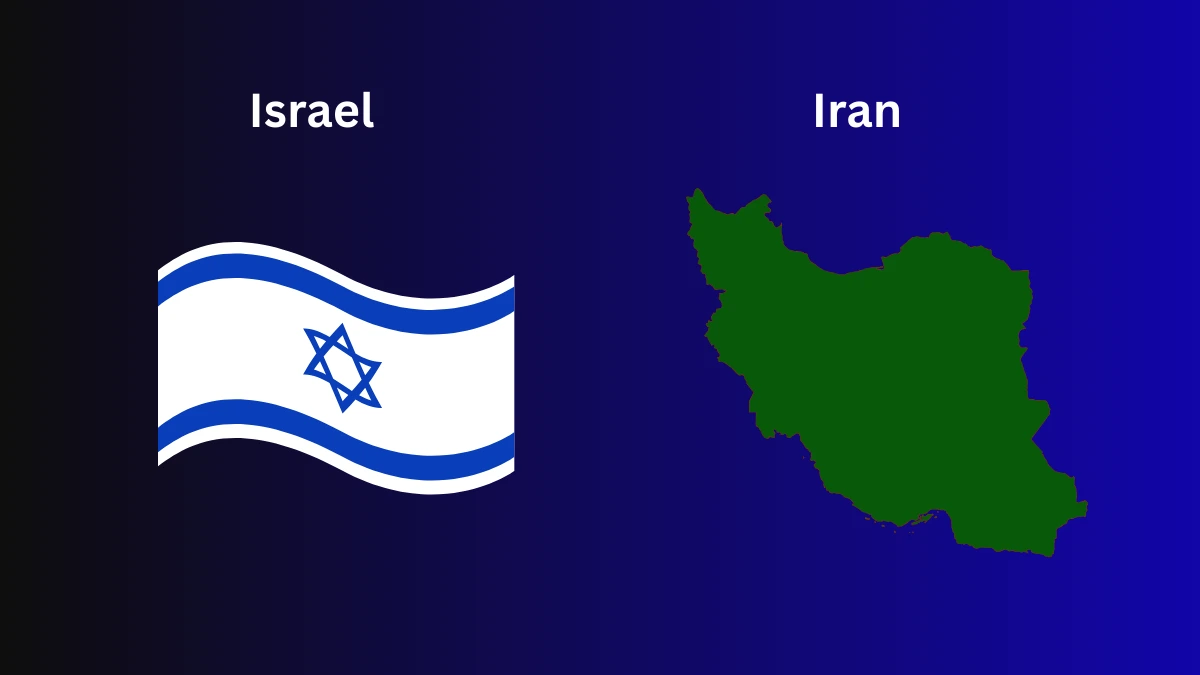
Iran remains firmly on Trump’s agenda. Widespread protests inside the country have drawn warnings from Washington, with Trump saying the US would respond strongly if demonstrators are killed.
Although Iran lies outside the Western Hemisphere focus of Trump’s revived doctrine, it has been a consistent target of his foreign policy. The US carried out strikes on Iranian nuclear sites last year following a major escalation involving Israel.
That confrontation led to a brief but intense conflict between Israel and Iran. Iran was a central focus in recent talks between Trump and Israeli Prime Minister Benjamin Netanyahu, according to reports, with both sides discussing what steps might come next, including the possibility of further military action.
Mexico
Ties between Washington and Mexico have come under renewed strain, reopening long-running tensions between the two neighbors. His political rise was closely tied to tough border rhetoric, and those themes have returned since he re-entered office.
He has accused Mexican authorities of failing to stop the flow of drugs and undocumented migrants into the US, claiming narcotics are crossing the border in large quantities. Trump has suggested stronger action may be needed.
The president has said he offered to send US troops to assist Mexico in fighting powerful drug cartels. Mexican President Claudia Sheinbaum has publicly rejected any foreign military presence, emphasizing Mexico’s sovereignty.
Cuba
Cuba is once again under the spotlight as pressure from Washington begins to build. The island has lived under US sanctions since the 1960s and depended heavily on Venezuela for subsidized oil supplies.
With Venezuela’s leadership removed, Cuba could face serious economic strain if energy deliveries decline. Trump has suggested the Cuban government is already weakening and that direct US military action may not be necessary.
Secretary of State Marco Rubio, whose family fled Cuba, has long supported political change in Havana. He said Cuba’s leaders would be wise to take the president’s words seriously, signaling that Washington’s patience may be running thin.
What It All Signals
Taken together, Trump’s comments point to a presidency ready to use pressure—diplomatic, economic, and potentially military—to pursue its goals abroad. The motivations vary, from security worries to economic rivalry, but the direction is unmistakable. After Venezuela, other governments could soon find themselves facing a tougher and more confrontational United States.