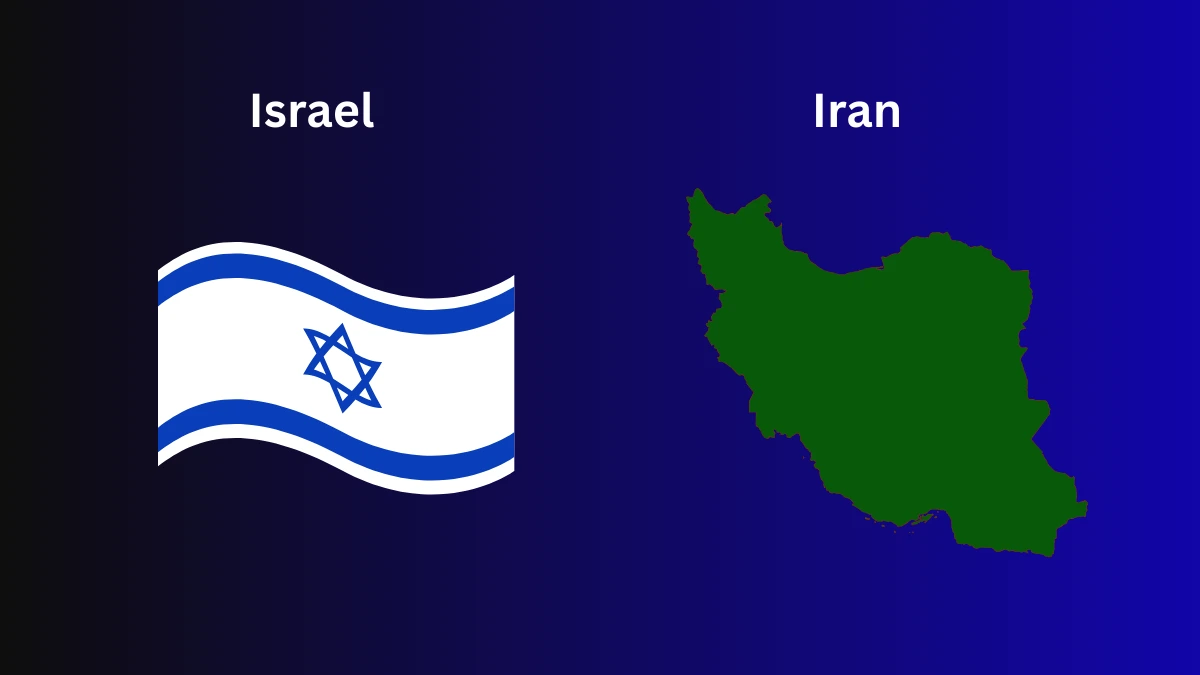
US President Donald Trump said on Friday that a change in Iran’s leadership would be “the best thing that could happen,” signaling one of his most forceful calls for a replacement of the country’s clerical rulers.
Trump criticized Tehran for decades of failed negotiations, saying that prolonged diplomacy has cost too much and yielded little progress. While he did not suggest who should lead Iran, he indicated there are people capable of stepping in. Iran’s Supreme Leader Ali Khamenei has not responded to the remarks.
US Moves Aircraft Carrier to the Middle East
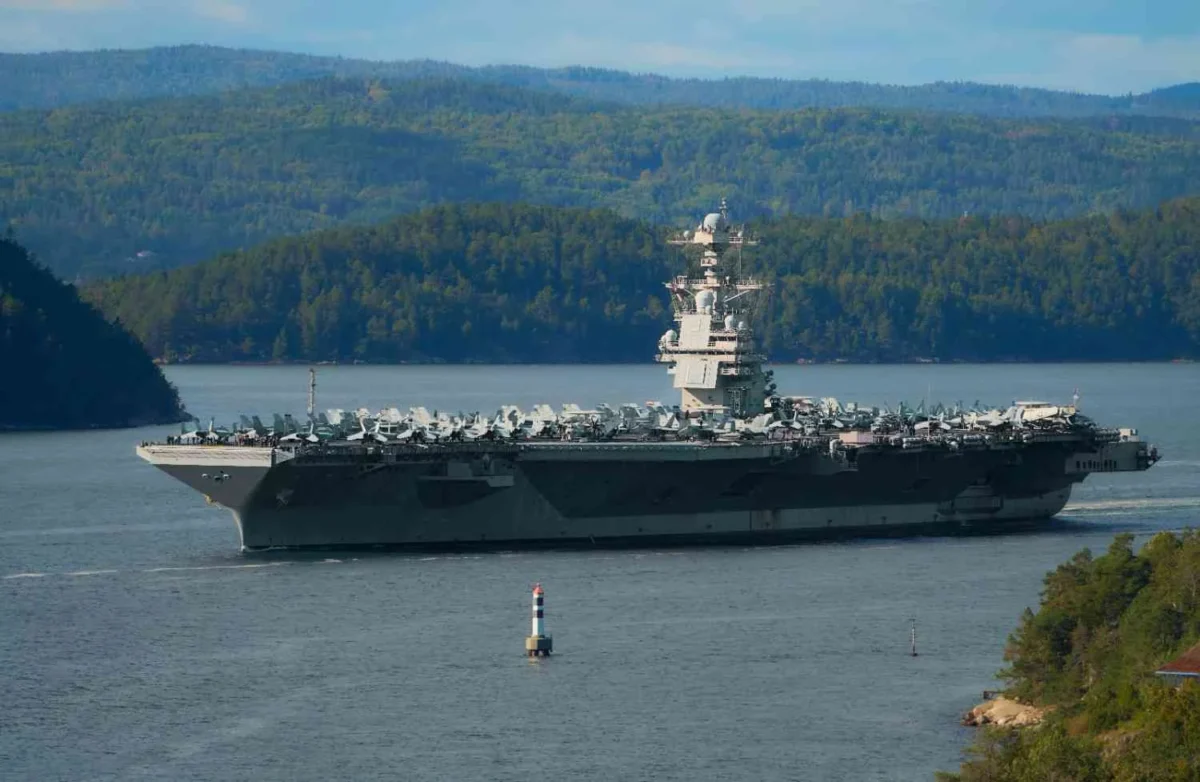
As a demonstration of its military capabilities, the United States is relocating the USS Gerald R. Ford from the Caribbean to waters in the Middle East. The carrier, the largest in the US fleet, will join the USS Abraham Lincoln, which is already in the region.
Pentagon officials said the move underscores Washington’s commitment to maintaining security in the area while negotiations continue. The deployment follows earlier warnings that the US could take action if talks with Iran fail to produce results.
Nuclear Talks Remain in Focus
Even as military activity increases, discussions between the United States and Iran over a new nuclear agreement are still underway. Diplomats from both sides continue efforts to find common ground on the future of Tehran’s nuclear program. Washington is urging Tehran to stop enriching uranium, saying that preventing the development of nuclear weapons is essential to regional security.
Trump, speaking after a meeting with Israeli Prime Minister Benjamin Netanyahu, said diplomatic channels remain open but warned that Iran must present a reasonable deal to avoid escalation. Israel has called for strict conditions, including limits on missiles and support for armed groups in the region.
Iran Shows Conditional Cooperation
Iranian President Masoud Pezeshkian said the country is willing to limit parts of its nuclear program if sanctions are eased. At the same time, he stressed that Iran would not accept what it considers unreasonable demands from other nations.
Ties between Washington and Tehran have long been strained. In 2018, Trump withdrew the US from the nuclear deal negotiated under former President Barack Obama and reinstated broad sanctions, putting heavy pressure on Iran’s economy and heightening diplomatic tensions.
Efforts to revive talks got underway last year, but progress has been limited as both Washington and Tehran continue to struggle with mutual mistrust.
Tensions Keep the Middle East on Edge
Recent troop movements and pointed remarks from both Washington and Tehran have heightened worries about stability in the region. With neither side willing to back down, it is uncertain if talks alone can prevent further escalation.
Experts warn that failing to reach a clear deal could make the situation worse, adding to the Middle East’s ongoing political and security difficulties.