
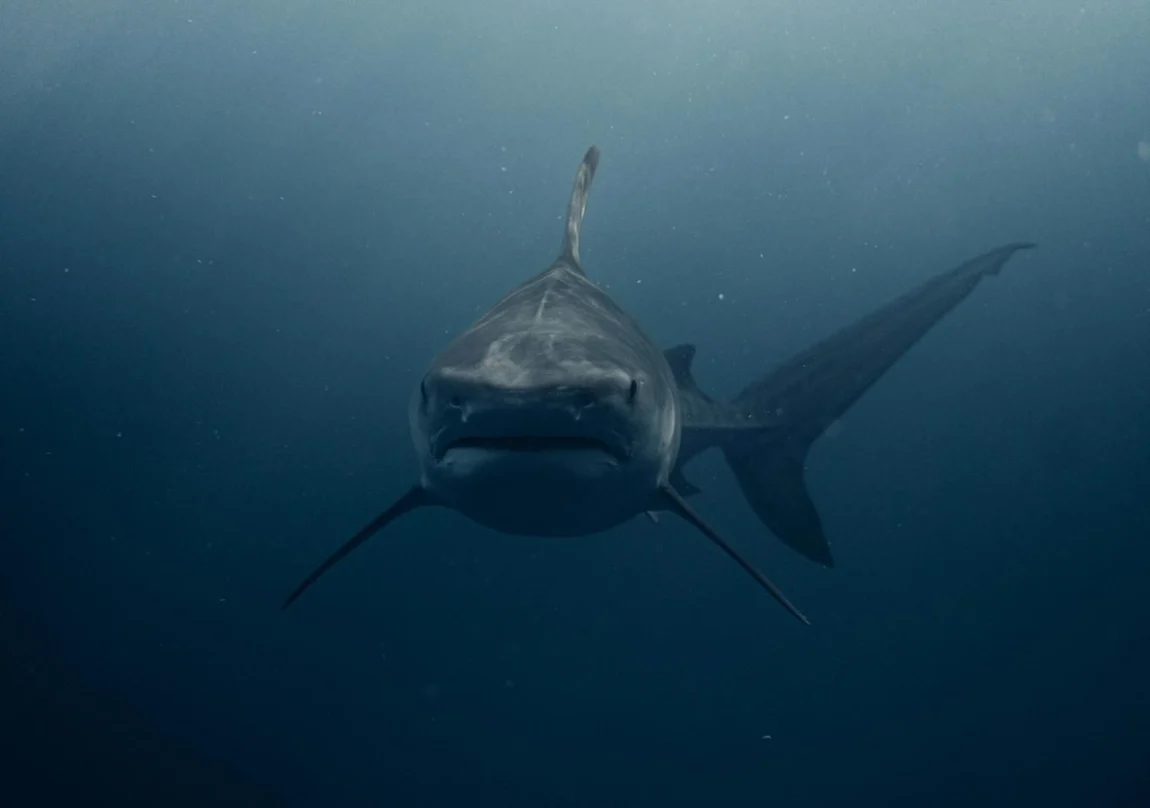
A rare and unsettling series of shark incidents along Australia’s east coast has left coastal communities on edge after four encounters were reported within just 48 hours—three of them clustered near Sydney.
Researchers say the timing and proximity of the incidents are highly unusual, prompting widespread beach closures and renewed public anxiety about shark safety.
A short window, multiple encounters
The first incident happened on 18 January, when a 12-year-old boy suffered critical injuries while swimming in Sydney Harbour. Paramedics rushed him to hospital, but he later died from his injuries.
Less than 24 hours later, an 11-year-old surfer had his board bitten at Dee Why Beach. Hours later, a shark attacked another surfer at nearby Manly, seriously injuring him and sending him to the hospital in critical condition.
On 20 January, a shark bit the board of a fourth surfer about 300 kilometres north of Sydney, wounding him in the chest.
Marine researchers say they have not seen a cluster of incidents occur so close together in both time and location in recent decades.
The weather created the right conditions
Experts stress that the spike does not mean sharks are suddenly becoming more aggressive. Instead, they say changing ocean conditions likely drew sharks closer to the coast.
In the days before the Sydney incidents, the region was hit by intense rainfall. More than 120 millimeters of rain fell in a single day, making it one of the wettest January days in nearly 40 years.
That rain pushed large volumes of freshwater, sediment, and nutrients from rivers and stormwater systems into the ocean. The runoff left coastal waters darker and less salty than usual, drawing schools of small fish closer to shore. Bull sharks, which are thought to be involved in the Sydney incidents, are well-suited to these conditions. As their prey moved in, the sharks followed—putting them closer to swimmers and surfers.
Put simply, experts say the ocean became unusually busy—with people and marine life drawn to the same space at the same time.
Are shark attacks becoming more common?
Official data shows that reported shark bite incidents in Australia have increased over the past 30 years. Annual figures have risen from fewer than a dozen cases in the 1990s to averages in the 20s in recent years.
Researchers say this rise reflects human behavior more than shark behavior.
Australia’s coastal population has grown, more people are taking part in water sports, and authorities now record incidents more consistently thanks to improved reporting systems. Advances such as drones and social media have also made shark sightings far more visible to the public.
Despite the increase in reports, experts emphasize that shark bites remain rare compared with the millions of ocean visits made each year. Fatal incidents are rarer still.
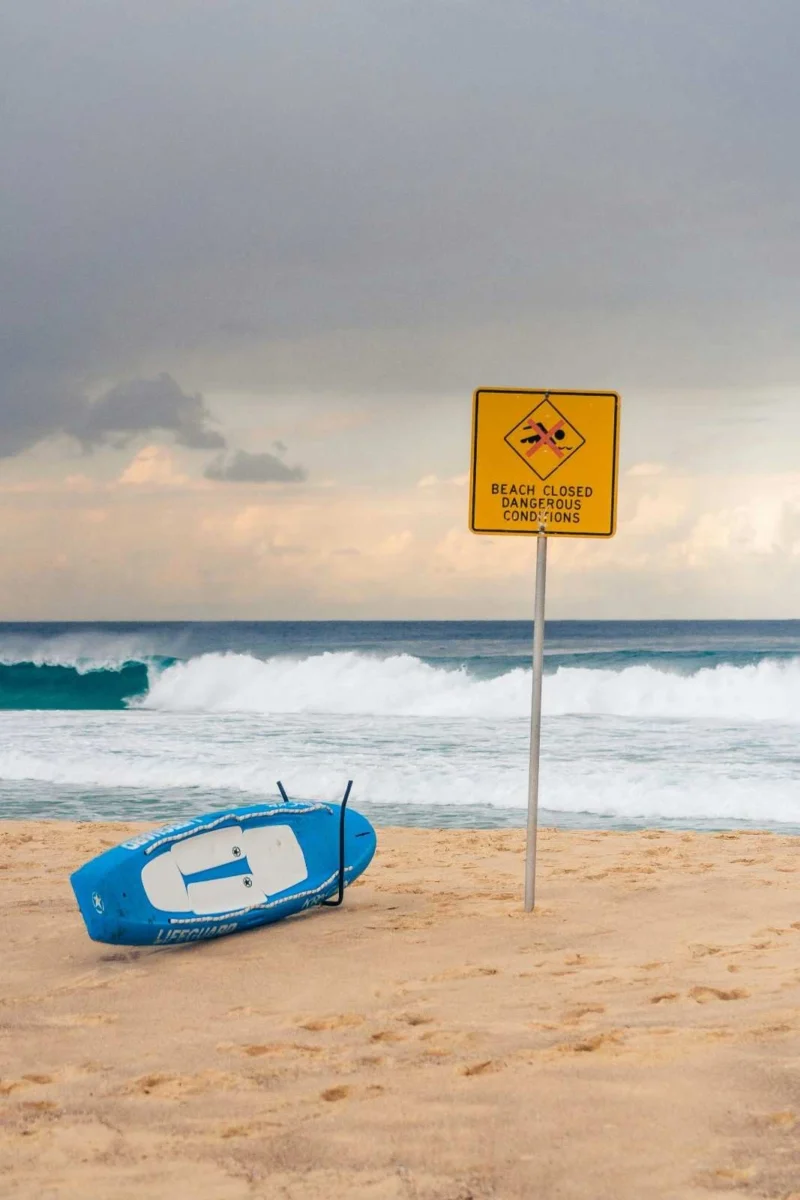
Calls for culls resurface; experts urge caution
After the recent incidents, calls to cull sharks have surfaced once again, with some pushing for nets or baited drumlines to be placed near popular beaches.
Marine scientists, however, say those measures are unlikely to make a difference. Decades of research, they argue, show that culling does not meaningfully reduce the risk of shark encounters.
They point out that removing individual sharks does nothing to change the conditions that bring sharks close to shore in the first place. As long as food sources remain present, other sharks are likely to move in.
Culls, they say, may offer emotional reassurance, but they do not make people in the water safer.
Reducing risk without panic
Researchers say the answer is not fear but awareness.
Simple decisions can lower the risk of an encounter, such as staying out of the water after heavy rain, avoiding murky conditions, and heeding local beach warnings. Some councils are also looking at practical measures, including wider use of swimming enclosures and improved monitoring along busy stretches of coast.
More broadly, researchers say Australians may need to rethink how they view the ocean.
The sea is a wild environment, not a controlled one. Sharks are a natural part of it, and most encounters happen because humans and sharks cross paths—not because sharks are hunting people.
As experts often point out, people enter the ocean by choice. Understanding its risks, rather than trying to eliminate them, remains the most effective form of protection.