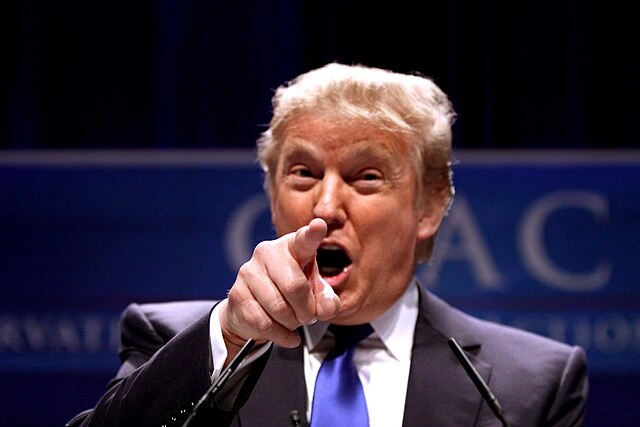
US President Donald Trump has renewed his call for American control of Greenland, tying the issue to his long-standing frustration over not receiving the Nobel Peace Prize.
In a private message to Norway’s Prime Minister Jonas Gahr Støre, Trump suggested that the country had denied him the award despite what he described as major global peace efforts. He said the decision had changed how he viewed his responsibility to focus solely on diplomacy.
Trump wrote that without the Nobel recognition, he now felt freer to pursue what he believed was in the United States’ strategic interest, while still valuing peace as a priority.
He also repeated his claim that global security depends on Washington having “complete and total control” of Greenland.
Norway Rejects Responsibility for Nobel Decision
Prime Minister Støre later explained that Norway’s government has no role in selecting Nobel Peace Prize winners. The decision is made independently by a committee appointed by Norway’s parliament.
The Nobel committee selected Venezuelan opposition figure María Corina Machado as this year’s peace laureate.
Støre said Trump’s message arrived after he and Finnish President Alexander Stubb had urged him to reduce tensions surrounding Greenland and avoid escalating trade measures. They had also proposed a three-way phone call to ease diplomatic pressure.
Greenland’s Strategic Importance to Washington
Trump has frequently stated that Greenland plays a crucial role in America’s security plans. Because of its Arctic position, analysts view the island as a key site for tracking missile activity and monitoring military movements across northern waters.
Although Greenland is part of the Kingdom of Denmark, Trump has questioned Denmark’s historical claim and suggested the territory would be safer under American control.
He has previously said the US would consider purchasing Greenland and has not ruled out using military force to secure it, despite Denmark being a NATO ally.
Tariff Threats Raise Alarm Among Allies
Over the weekend, Trump announced plans to impose a 10% tariff on goods from eight NATO countries that oppose his Greenland proposal. He said the tariff level may increase to 25% by the start of June.
He also argued that Denmark could not protect Greenland from potential threats posed by Russia or China.
In his message, Trump said NATO should show greater support for the United States, claiming he had contributed more to the alliance than any leader since its founding.
Europe Pushes Back
UK Prime Minister Sir Keir Starmer said that only the people of Greenland and the Danish government should decide the island’s future, and he criticised the use of tariffs against allied nations.
Meanwhile, Danish Defence Minister Troels Lund Poulsen and Greenland’s Foreign Affairs Minister Vivian Motzfeldt will meet NATO Secretary General Mark Rutte to hold talks on regional security.
Denmark, Greenland, and NATO partners have already agreed to expand military patrols and training exercises in the Arctic and North Atlantic. Several European nations have also sent small reconnaissance teams to Greenland.
Disputed Claims of Ended Wars
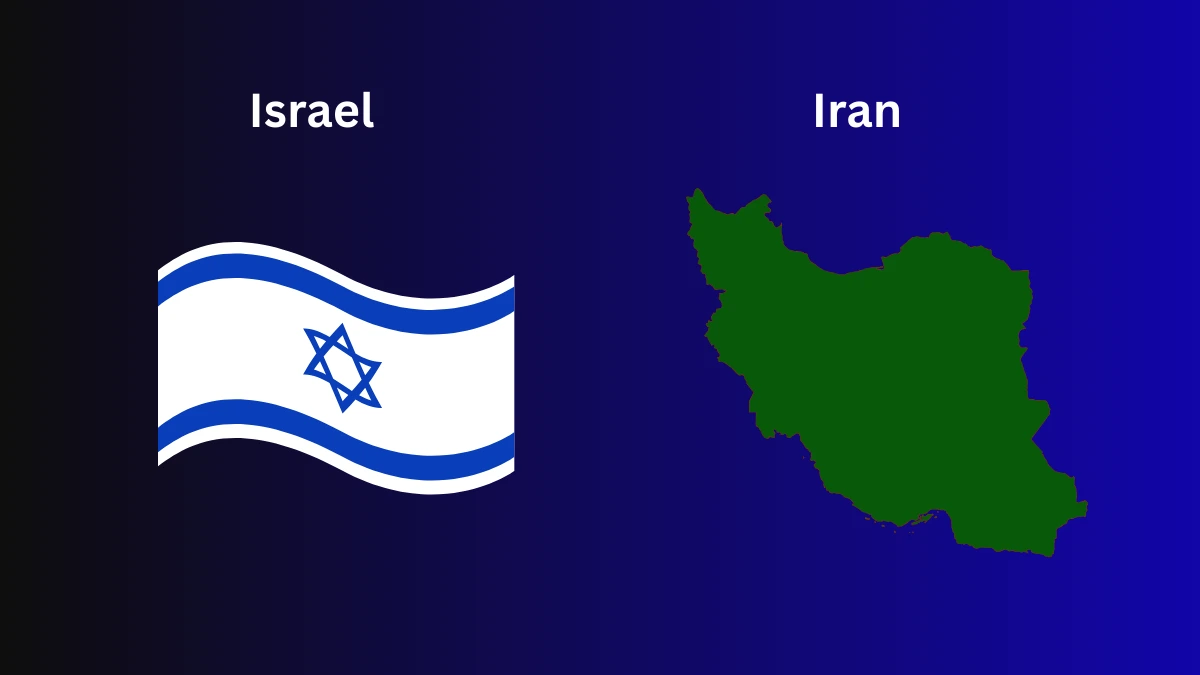
Trump has repeatedly stated that he helped end eight global conflicts during his second term. The White House has listed disputes involving Israel, Iran, India, Pakistan, Rwanda, the DRC, Armenia, Azerbaijan, and several other nations.
Independent analysts note that some of these conflicts were short-lived or unresolved, while others did not involve direct fighting at the time Trump cited them.
Nobel Prize Controversy Continues
The Nobel Committee awarded the peace prize to María Corina Machado for her opposition role in Venezuela. However, after US forces later removed Venezuelan President Nicolás Maduro, Trump did not support Machado as the country’s next leader and instead backed another interim authority.
Machado later met Trump at the White House and presented him with her Nobel medal. The Nobel Foundation clarified that the prize cannot be transferred or shared, even symbolically.
Growing Diplomatic Strain
Trump’s message has intensified concerns across Europe about rising tensions within NATO and the future of Arctic security.
As the dispute over Greenland grows, European and US leaders are working to stop the issue from developing into a wider transatlantic confrontation.